The Undertaker is one of the most iconic characters in wrestling history, a towering figure who walked to the ring in darkness and smoke and turned every entrance into a small horror movie.
For three decades in WWE, he played the role of “The Deadman,” a near-mythical force who seemed impossible to beat on the biggest stage and became the center of WrestleMania itself with a 21–0 undefeated streak that eventually grew into a 25–2 record.
He was born Mark Calaway in Houston in 1965 and grew up playing sports, including a season of college basketball at Texas Wesleyan University before deciding to chase pro wrestling instead.
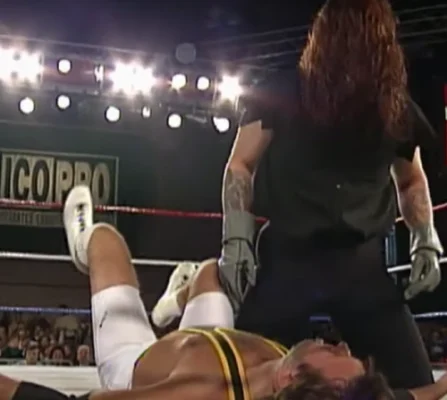
He trained in Texas in the mid 1980s and learned most of his craft by working small shows, debuting in 1987 in World Class Championship Wrestling (WCCW) as the masked Texas Red in a losing effort against Bruiser Brody, managed by Percy Pringle, the man who would later become Paul Bearer.
After time in WCCW and the USWA under different names, he signed with WCW in 1989 as “Mean” Mark Callous, teaming with Dan Spivey in The Skyscrapers and later wrestling on his own, including a United States title challenge against Lex Luger, before leaving the company in 1990.
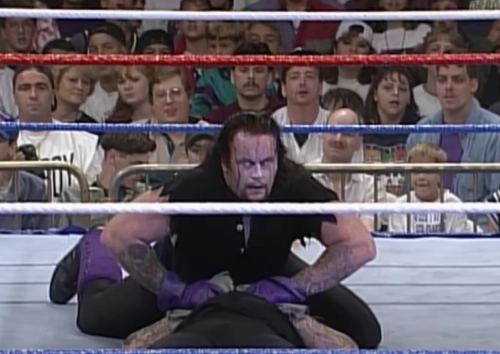
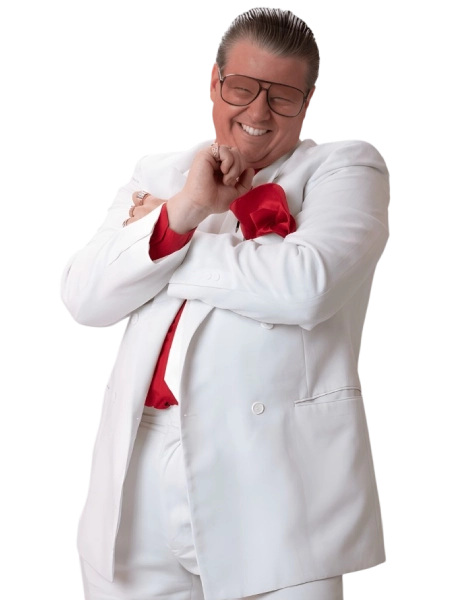
Calaway arrived in the World Wrestling Federation (WWF) at Survivor Series 1990, introduced by Brother Love as a mystery partner from “Death Valley.” He stood out distinctly from the colorful cartoon heroes around him. He moved slowly, didn’t sell much of his opponents’ offense, and finished them with a spike Tombstone Piledriver.
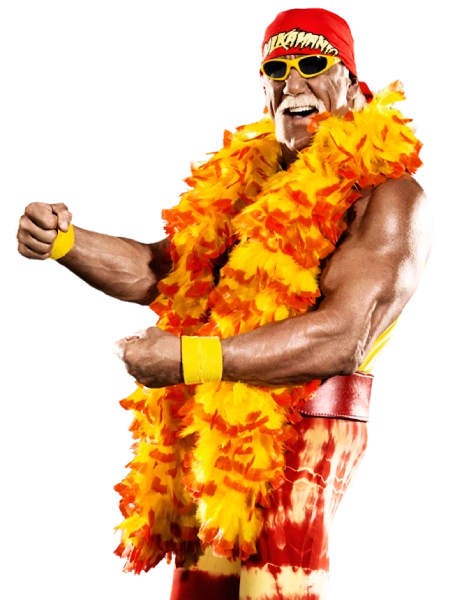
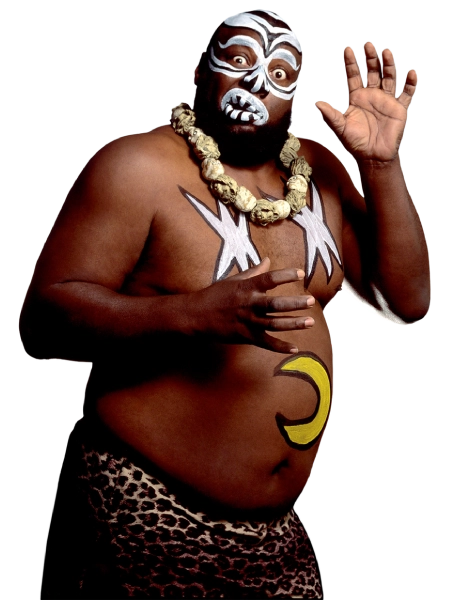
In 1991, Paul Bearer replaced Brother Love as his manager and added the eerie urn prop that became part of the act. That same year The Undertaker beat Hulk Hogan at Survivor Series for his first WWF Championship, then spent the early 1990s as a dark fan favorite who feuded with villains like Jake “The Snake” Roberts, Kamala and Yokozuna in casket matches and other gimmick bouts.
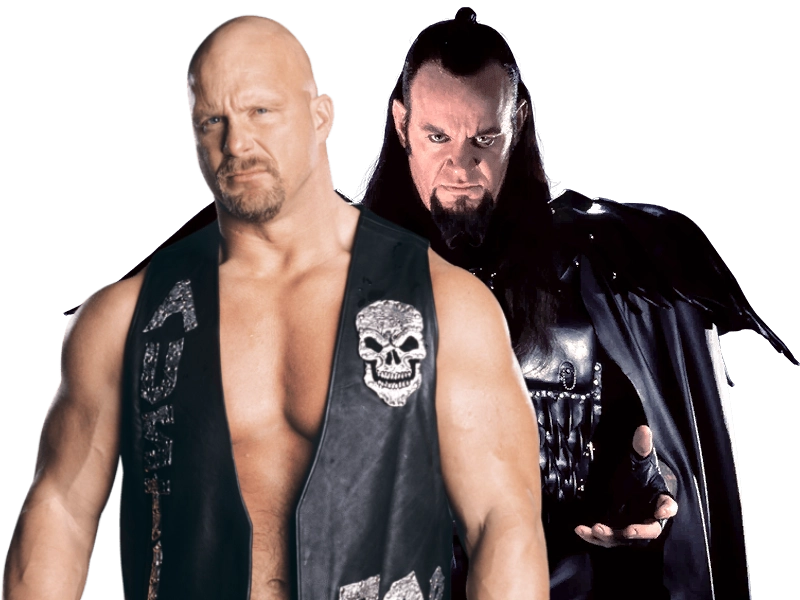
As the WWF shifted into the Attitude Era, The Undertaker character grew more menacing and elaborate. He headlined events with matches against Mankind, including the famous 1998 Hell in a Cell bout where Mick Foley took his wild falls, and worked bloody brawls with Shawn Michaels and Steve Austin. In 1998 and 1999 he led the Ministry of Darkness, a cult-like group that incorporated gothic horror with soap-opera storylines.
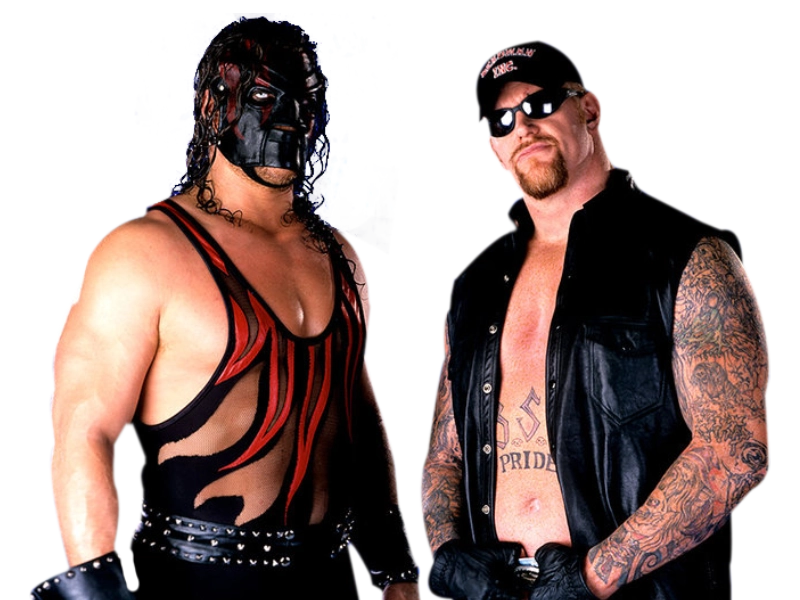
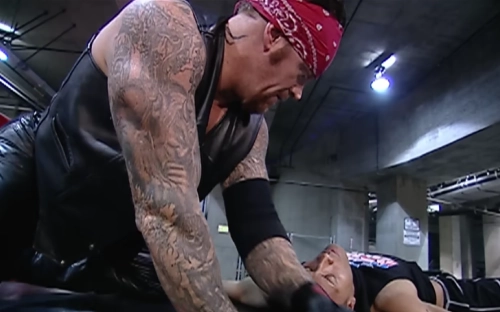
In 2000, he made his comeback after recovering from groin and hip injuries, introducing a significant change to his persona. He began riding a motorcycle to the ring as a character known as the “American Badass”. This new persona featured a biker-style outfit and leaned more on trash talk and MMA-inspired strikes.
After a few years in that role, he integrated elements of both versions and came back at WrestleMania 20 in 2004 as a more modern version of The Deadman, complete with a trench coat and a wide-brimmed hat. From there, his WrestleMania record became the centerpiece of his career.
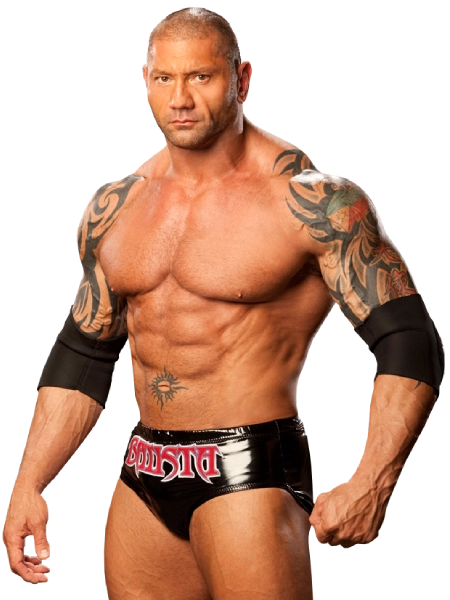
He picked up classic wins over Batista, Edge, CM Punk, and had iconic matches with Shawn Michaels and Triple H, with many critics and fans rating his WrestleMania 25 and 26 matches with Michaels among the greatest WWE bouts ever. By 2013, his undefeated streak at WrestleMania stood at 21–0.
The streak ended in shocking fashion at WrestleMania 30 in 2014 when Brock Lesnar pinned him, leaving the crowd in stunned silence and giving him his first loss on that stage at 21–1. He later lost once more at WrestleMania 33 to Roman Reigns, but also added more wins, finishing with an overall WrestleMania record of 25–2.
In his later years, he wrestled part-time in special attractions against names like Bray Wyatt, Shane McMahon, and John Cena, while battling injuries and openly questioning in documentaries how long he could keep going.
His final match came at WrestleMania 36 in 2020 in the cinematic Boneyard Match against AJ Styles, where he fought in a graveyard setting and mixed his biker mannerisms with classic Deadman moments. In the Last Ride documentary that aired soon after, he said he felt that bout was the perfect ending and that he had no desire to wrestle again.
WWE then gave him an official farewell at Survivor Series on November 22, 2020, exactly thirty years after his debut for the company. Two years later he was inducted into the WWE Hall of Fame as the headliner of the Class of 2022, receiving a long standing ovation before giving a reflective speech about his career and life lessons.
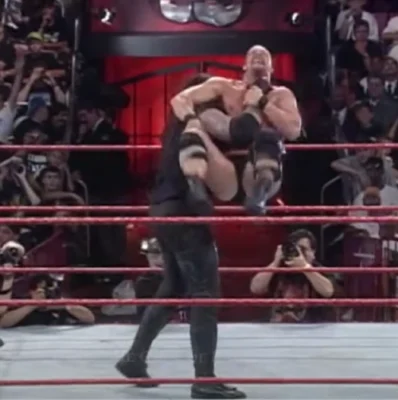
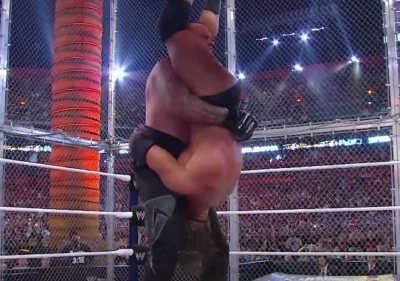
In the ring, The Undertaker used a slow, deliberate pace, heavy strikes, and sudden bursts of agility that were unusual for a man of his size. His signature moves included the leaping over-the-top-rope dive to the floor, the “Old School” rope walk, a big boot and legdrop combo, and finishers like the chokeslam, the Last Ride powerbomb, the Hell’s Gate submission and most famously the Tombstone Piledriver.
Backstage he was often described as a locker room leader and a symbol of loyalty to WWE, rarely leaving the promotion even when the business changed around him. Today, retired from the ring, he appears for special WWE events, runs his “Six Feet Under” podcast and continues to talk about his career, his health and the end of the WrestleMania streak, staying part of wrestling culture even without the hat and coat.













Share Your Thoughts on This Wrestler
You must be logged in to post a comment.