Mick Foley built one of the most unusual and influential careers in modern professional wrestling by turning pain, character work, and emotional honesty into a lasting connection with fans. He was never presented as a traditional superstar athlete, yet through three distinct personas, Mankind, Cactus Jack, and Dude Love, Foley became a world champion, a top wrestler in the Attitude era, and a performer trusted to anchor some of the most physically demanding matches in company history.
Foley trained under Dominic DeNucci and began wrestling in 1986. He made a few early WWF TV appearances that year as “Jack Foley”, but his career first took shape in the late 1980s and early 1990s through the territory system and regional promotions, followed quickly by bigger stages.
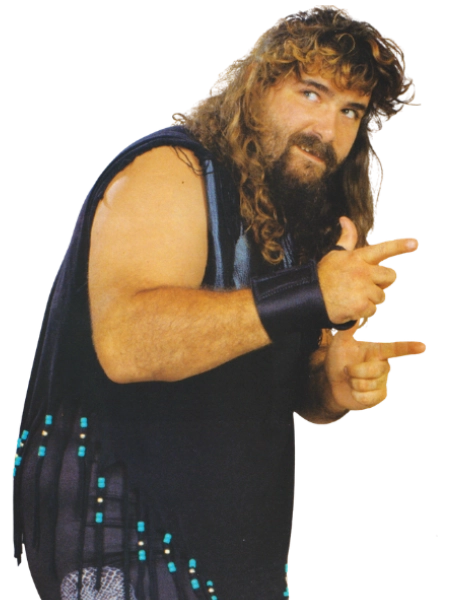
By 1989, Foley was working in WCW and around the NWA scene, and he was starting to get national attention. WCW presented him as Cactus Jack, a dangerous outsider who brought a raw edge to his matches.
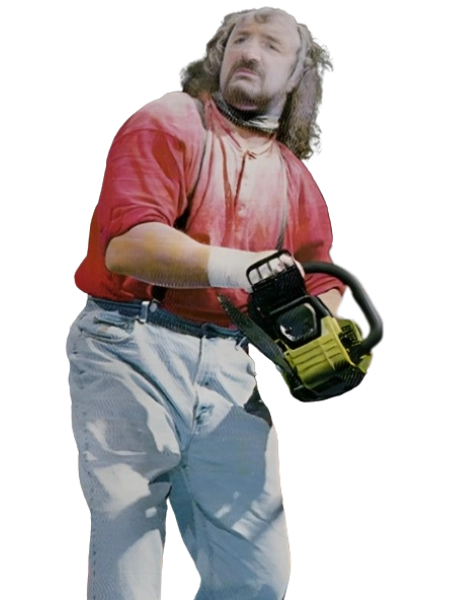
One of his earliest notable roles came opposite Norman the Lunatic, where Foley worked as a cruel antagonist who pushed the story through physical intimidation and unsettling presence. Those matches showed his willingness to lean into character and discomfort to make a simple story land. As his run continued, he wrestled like a brawler, absorbed real punishment, and let matches feel chaotic and unpredictable.
In 1991, that schedule also took him to Japan for All Japan Pro Wrestling (AJPW), giving him a different setting and a tougher style of opponent while he was still building his name on a larger stage.
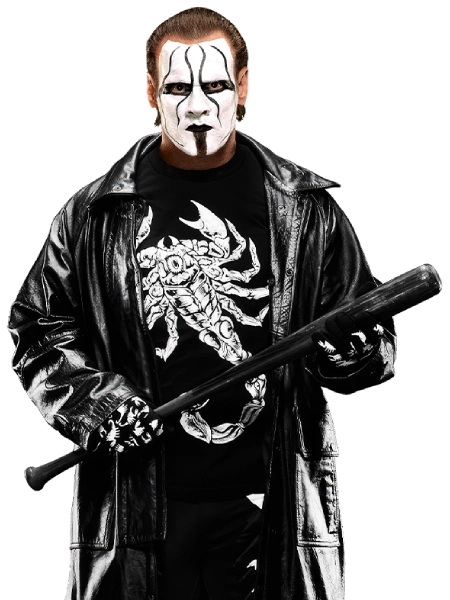
Back in WCW, the same approach carried into his later feud with Sting, which gave him a bigger stage and showed he could tell a clear story while keeping the fight rough and intense. Even without being booked as the company’s main star, he came out of that run with a strong reputation as someone who could add weight and credibility to important matches through commitment and detail.
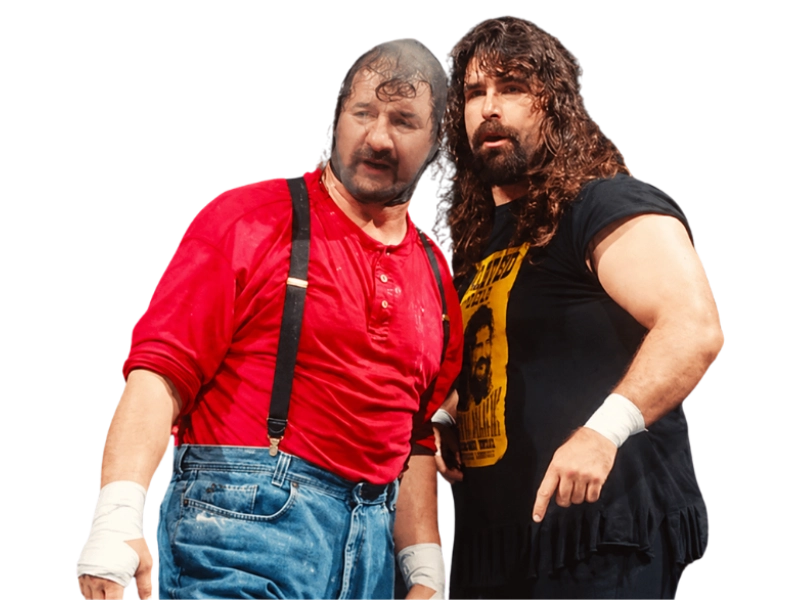
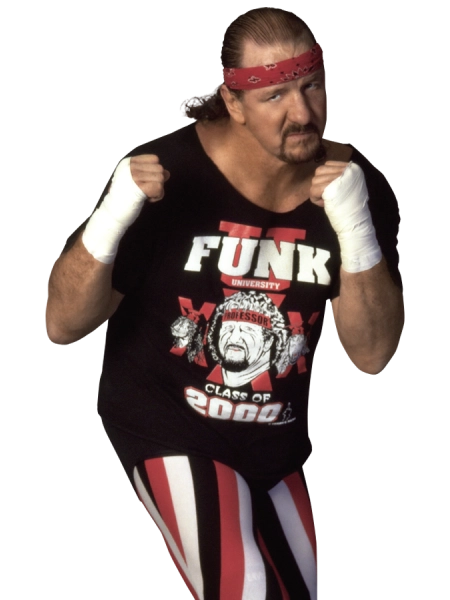
After leaving WCW, Foley’s reputation grew through a run in Extreme Championship Wrestling (ECW) in 1994 and 1995, along with another tour in Japan in the mid-1990s. In ECW, Cactus Jack became a cult figure. His barbed-wire matches, especially against Terry Funk, helped define his image as a hardcore headliner and showed he could deliver emotional promos alongside his violent matches.
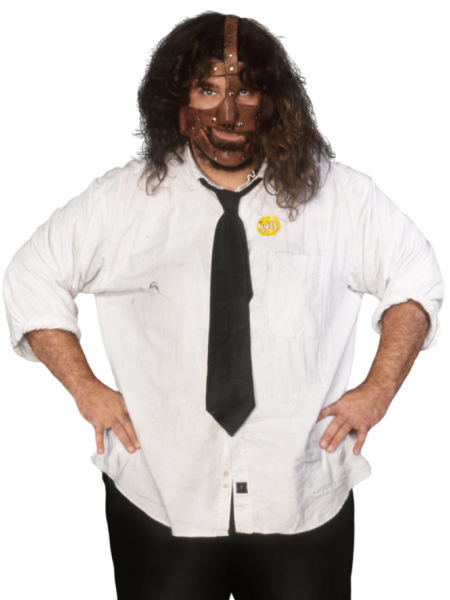
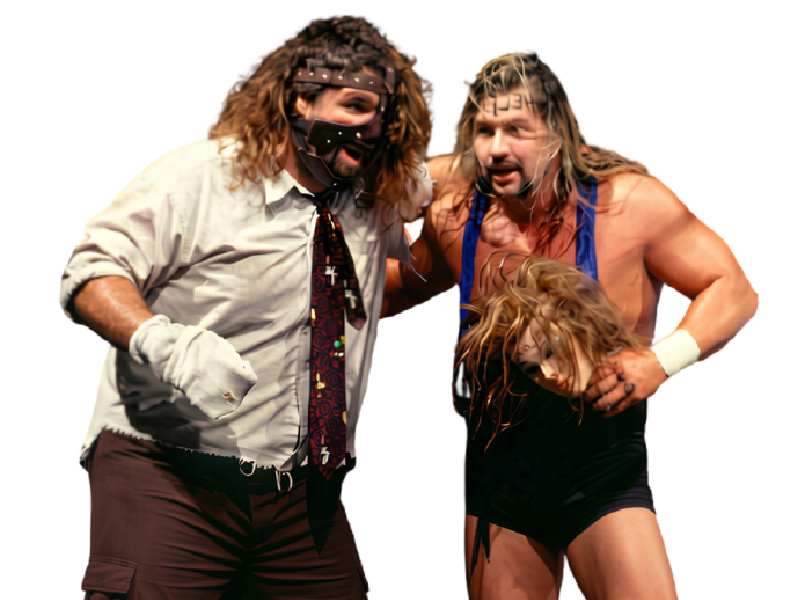
In 1996, Foley joined the World Wrestling Federation (WWF), where he was introduced on television as Mankind, a disturbed, masked character who lived in boiler rooms and spoke in soft, unsettling tones. This version showed Foley’s range and creativity.
Mankind wrestled in a loose, painful style and used the Mandible Claw as his finishing move. In late 1998, Foley added a grimy sock to the act and named it Mr. Socko, turning the Mandible Claw into an even more memorable signature. The character felt dangerous but also vulnerable, which helped audiences connect with him.
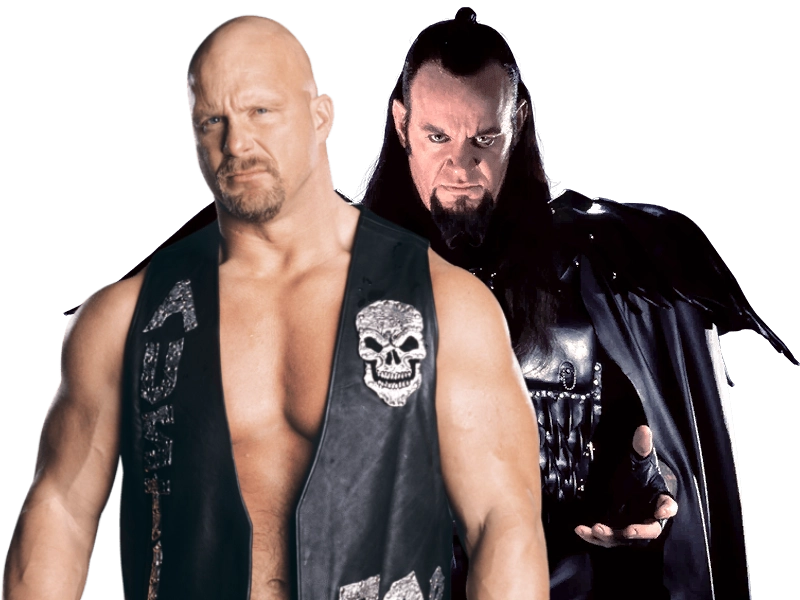
Mankind’s rivalry with The Undertaker became one of the defining stories of the era. Their Hell in a Cell match at King of the Ring 1998 remains one of the most famous matches ever held. Foley took two falls from the top of the cage and continued the match despite serious injuries. The match is remembered for the danger involved, and it also showed the WWF’s trust in Foley to make a match unforgettable.
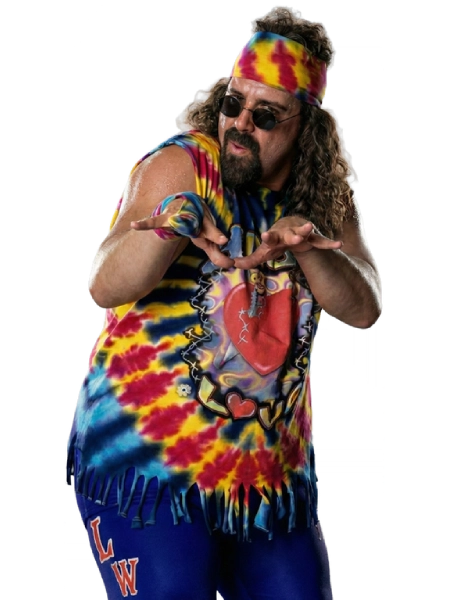
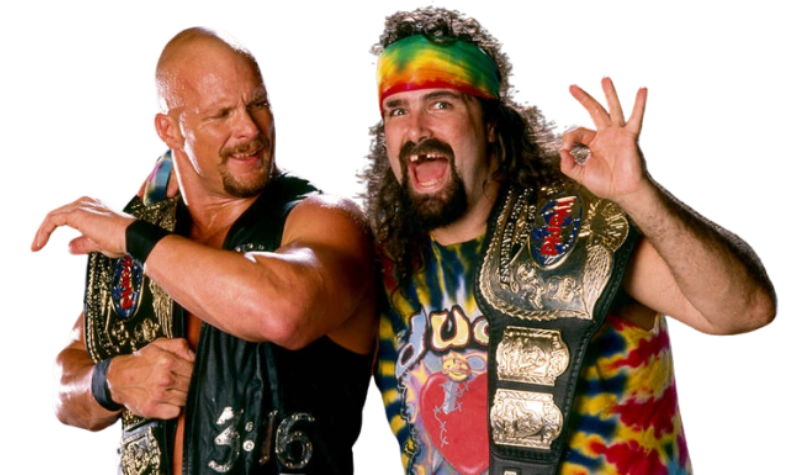
Later in 1997 and 1998, Foley introduced Dude Love, a brightly dressed, peace-loving persona inspired by his teenage years. Dude Love allowed Foley to show humor and warmth on screen, contrasting sharply with the darkness of Mankind and the chaos of Cactus Jack. The WWF treated the three personas as different sides of the same person, and Foley could move between them depending on the story.
That idea produced a famous Royal Rumble moment in 1998, when Foley entered the same match three times, once as Cactus Jack, once as Mankind, and once as Dude Love. He is the only wrestler officially credited with entering the same Royal Rumble match multiple times.
In 1999, Foley reached the peak of his in-ring career. Wrestling primarily as Mankind, he won the WWF Championship for the first time on the January 4 episode of Raw, defeating The Rock. The win was a turning point in the Monday night ratings war and established Foley as a believable top-level champion despite his unconventional look.
He went on to hold the WWF Championship three times that year, usually portrayed as a tough, working-class hero who fought authority figures and corporate champions.
His rivalry with The Rock also turned into one of the most popular tag teams of that era when they teamed up as the Rock’ n’ Sock Connection. Their act leaned into humor, with Foley’s Mr. Socko and The Rock’s verbal swagger, but they were still presented as a real threat once the bell rang, and together, they won the WWF Tag Team Championship three times.
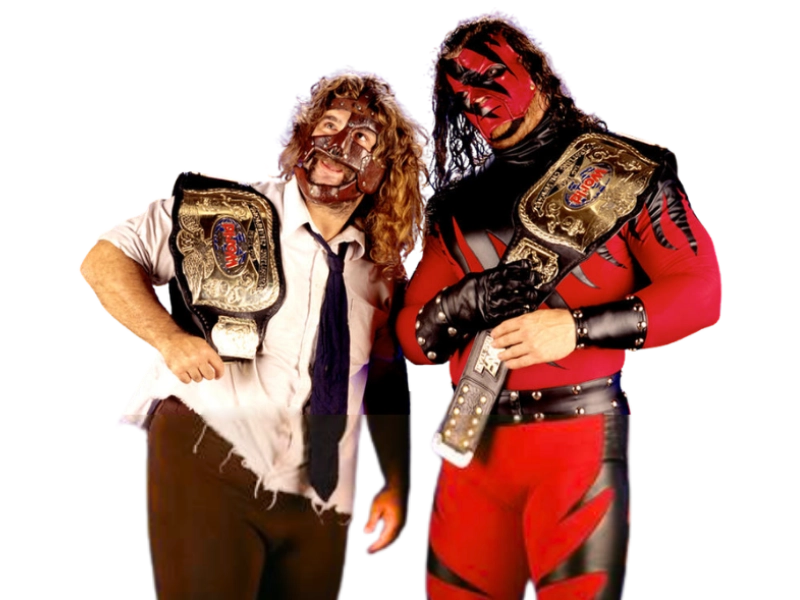
Across his WWF/WWE career, he would go on to win the WWF Tag Team Championship eight times in total, with partners that included Stone Cold Steve Austin, Kane, and The Rock.
As 1999 turned into 2000, Foley brought Cactus Jack back for one last hard run at the top. It began with the Street Fight against Triple H at the Royal Rumble in January 2000, continued with their Hell in a Cell match at No Way Out in February, and carried into WrestleMania 2000, where Foley was part of the four-way elimination main event that also included Triple H, Big Show, and The Rock for the WWF Championship. After WrestleMania, he stopped working a full weekly schedule and shifted into appearances around specific moments and specific stories.
Later in 2000, WWF kept him on television in a different role as Commissioner Mick Foley, which allowed him stay relevant without wrestling every week. Over the next few years, he picked his spots in the ring. The biggest of those early returns came in 2004, when he reconnected with The Rock and then wrestled and lost to Randy Orton in a violent, No Holds Barred Falls Count Anywhere match for the Intercontinental Championship under the Cactus Jack name.
In 2005, Foley brought Mankind back for a pay-per-view match and also wrestled John “Bradshaw” Layfield on a Raw special. He made more occasional WWE appearances in the years that followed, including another run of matches in 2007 and a Royal Rumble appearance in 2008.
He then took his final extended in-ring run outside WWE in Total Nonstop Action Wrestling (TNA). Foley joined TNA in 2009, moved quickly into main event stories, and won the TNA World Heavyweight Championship by defeating Sting at Lockdown. He also held the TNA Legends Championship during that same stretch. By 2010, his role in TNA was winding down, and he was used more as a name to support storylines.
As his time in TNA ended, Foley shifted away from wrestling and into appearances, interviews, and character roles. He entered the Royal Rumble match in 2012 for one last WWE in-ring moment, and he didn’t wrestle again after that.
Outside the ring, Foley became a successful author, writing multiple memoirs and children’s books that added to his fanbase beyond wrestling fans. He was inducted into the WWE Hall of Fame in 2013, recognizing both his championships and his overall influence on the industry.
Mick Foley’s legacy is defined less by his record sheet and more by trust. Promoters trusted him to make opponents look stronger. Wrestlers trusted him to take risks most people would avoid. Fans connected with him because his characters felt human, even when the situations were extreme, and because he never acted like he was above the pain he was asking them to believe in.
Through Mankind, Cactus Jack, and Dude Love, Foley showed that greatness in wrestling could come from heart, creativity, and connection with the crowd. He proved a wrestler could be believable without being untouchable, and a main eventer without pretending to be a superhero. Even in loss, he left the audience remembering the effort and the moments he created.









Share Your Thoughts on This Wrestler
You must be logged in to post a comment.