Stone Cold Steve Austin built one of the most commercially successful careers in wrestling history by playing a character that felt less like a scripted persona and more like a natural expression of who he was on screen. He was foul-mouthed, physically imposing, and deeply resistant to authority, and at a time when the wrestling business needed a new kind of star, those qualities connected with audiences in a way that changed the direction of the entire industry.
Austin was born on December 18, 1964, in Victoria, Texas, and grew up in Edna. He came to wrestling relatively late, not training seriously until his early twenties, when he began working with “Gentleman” Chris Adams in Texas through the regional circuit that operated out of World Class Championship Wrestling. He debuted in September 1989 under his real surname, working as Steve Williams at the Dallas Sportatorium and around the USWA in Texas and Arkansas. Those early matches were small shows against local names, and he lost as often as he won while he was still getting the fundamentals into his body.
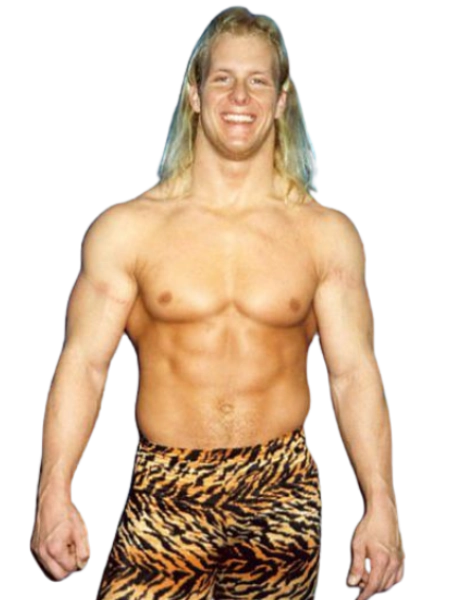
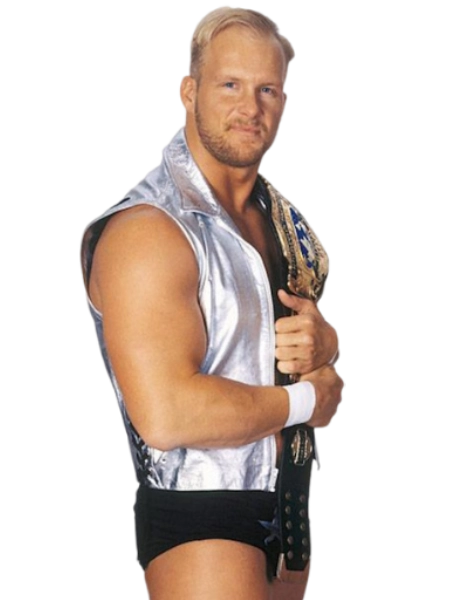
He signed with WCW in 1991 and spent four years there under the name “Stunning” Steve Austin. This character was a well-dressed, vain heel who worked as a midcard title holder and eventual tag team competitor. He won the WCW Television Championship four times and the WCW United States Heavyweight Championship twice, which made him a credible upper-midcard presence. Still, WCW never fully committed to pushing him to the main event level.
His most productive period in WCW came as half of the Hollywood Blonds, the tag team he formed with Brian Pillman in 1993. The team was technically skilled and genuinely entertaining, and they won the WCW World Tag Team Championship, but WCW split them up before they could fully develop into something bigger. That decision frustrated Austin and left him with a running grievance against WCW management that lasted for years.
In mid-1995, while Austin was recovering from a triceps injury, WCW released him over the phone. The call came from Eric Bischoff and reportedly lasted less than a minute.
Austin was earning roughly $150,000 a year at the time and had no warning the call was coming. He described the experience in interviews as humiliating, and it produced a bitterness toward corporate authority that would later serve as the emotional engine for the most successful character he ever played.
He then signed with Extreme Championship Wrestling (ECW) in the fall of 1995, shortly after WCW released him. ECW gave him a microphone and no guardrails, and the promos he cut there, largely directed at WCW and Bischoff, showed a sharpness and confidence that his polished WCW character had never fully expressed.
Paul Heyman later said he helped Austin find his voice in ECW, and the evidence was in what Austin produced once he had space to talk freely. He only stayed a few months, but he left sounding like a different performer than the one who had arrived.
WWF signed him before the end of 1995 and put him on television as The Ringmaster, a character managed by Ted DiBiase and packaged as the industry’s finest technical wrestler. However, Austin knew early on it didn’t fit. The name felt generic, the presentation lacked bite, and nothing about it connected to the voice he had just spent several months developing in ECW.
He pushed for a change, and WWF moved away from the Ringmaster idea in early 1996. By then, Austin was already mulling over colder, harder ideas for the character, partly influenced by Richard Kuklinski, the contract killer known as “The Iceman,” whose detached, methodical demeanor gave him a useful reference point for how he wanted the new character to carry himself.
He wanted something that sounded tougher and more stripped down. As he’s explained in interviews, the final piece came from a simple comment by his then-wife Jeanie Clarke, who told him to drink his tea before it got “stone cold”. That phrase stuck, and it gave him the name that finally matched the direction he’d been trying to move toward.
Stone Cold Steve Austin arrived with no manager, no forced identity, and no particular gimmick beyond a willingness to fight anyone and a total indifference to whether audiences liked him or not. And it didn’t take long for that to show.
At the King of the Ring pay-per-view in June 1996, Austin won the tournament and delivered a short promo over a defeated Jake “The Snake” Roberts that became one of the most replicated moments in wrestling history.
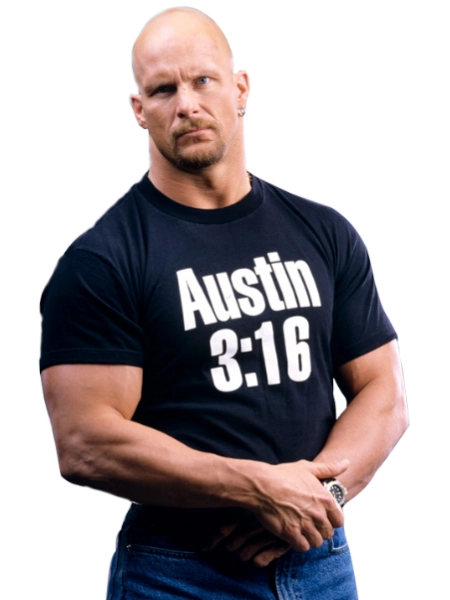
Roberts was portraying a born-again Christian, and Austin delivered a memorable post-match promo mocking his religious imagery. He told Roberts, “You sit there and you thump your Bible, and you say your prayers, and it didn’t get you anywhere. Talk about your psalms, talk about John 3:16. Austin 3:16 says I just whooped your ass.”
The building reacted instantly, and the phrase never really went away after that, even though Austin never planned to say it. He said it once, the crowd absorbed it, and it became the defining slogan of the most commercially successful run in WWF history.
It showed up on hand-printed signs at arenas across the country for the next several years, on t-shirts that sold in enormous numbers, and in the broader cultural conversation around wrestling in a way that very few moments from that period managed to achieve.
Over the following year, Austin established himself as the most interesting character in the WWF. His rivalry with Bret Hart led to a submission match at WrestleMania 13 on March 23, 1997, with UFC fighter Ken Shamrock as the special referee. The match is still studied as an example of how a match can change the crowd’s allegiance without a single word being said.
Hart controlled the bout with a level of cruelty that made him seem increasingly ruthless, while Austin took a beating and kept coming. By the end, Austin’s face was covered in blood as Hart trapped him in the Sharpshooter. However, Austin refused to submit and instead passed out from the pain, forcing Shamrock to stop the match and award Hart the win.
As it unfolded, fans started cheering Austin’s refusal to quit and turned against Hart’s viciousness. By the end of the night, Hart had walked out as the villain, and Austin had walked out as the hero. That double turn changed both men’s careers and helped push Austin even closer to the top of the company.
The match was later voted Match of the Year by the Wrestling Observer Newsletter and was inducted into the WWE Hall of Fame as the first “Immortal Moment” in 2025.
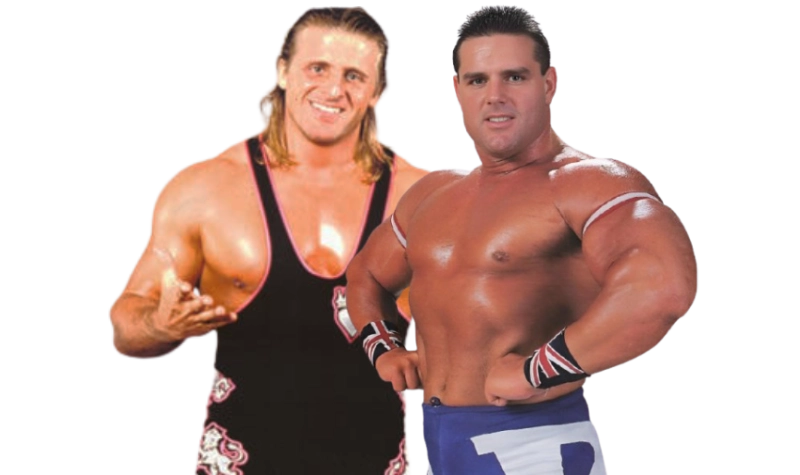
Four months later, at SummerSlam 1997, Austin suffered a serious neck injury during a match with Owen Hart. A piledriver was executed poorly, dropping Austin directly on the crown of his head, and Austin was temporarily unable to move his limbs.
He finished the match on instinct with a small package rollup that gave him the WWF Intercontinental Championship, then left the ring under his own power despite not being fully aware of his surroundings.
The damage was serious. Austin suffered nerve issues that later required cervical fusion surgery, and from that point on, he had to adjust the way he wrestled. He was never quite the same physically after that night, and the long-term effects of the injury would eventually cut his full-time in-ring career shorter than it otherwise might have been.
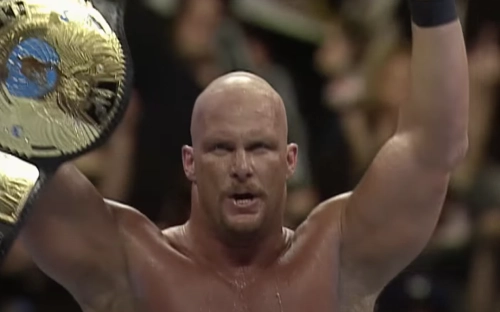
Even so, Austin returned later in 1997 and kept moving toward the top of the company. At WrestleMania XIV in March 1998, he defeated Shawn Michaels to win the WWF Championship for the first time, with boxer Mike Tyson serving as the special outside enforcer. Tyson, who had been aligned with Michaels and D-Generation X heading into the match, turned on Michaels and counted the pin, giving Austin the belt and the moment a mainstream spotlight that few wrestling events had managed to achieve.
That victory set the stage for the stretch that defined both Austin’s career and the WWF’s rise during the Attitude Era. Austin’s ongoing conflict with Vince McMahon, who had positioned himself as the evil authority figure owner, became the main storyline.
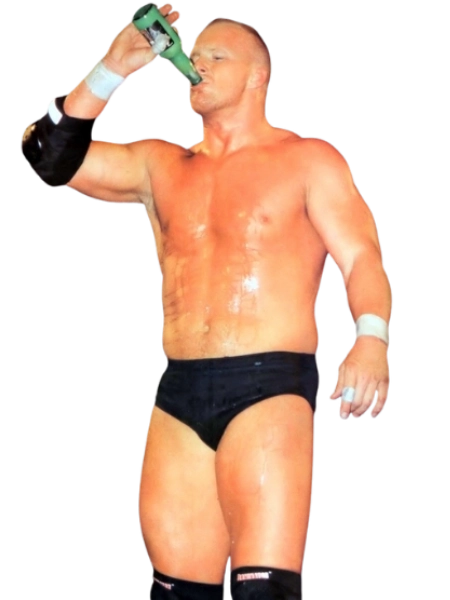
McMahon cast himself as the controlling boss who wanted to control his champions and Austin became the employee who refused to be controlled. He ignored orders, physically assaulted McMahon when convenient, and drank beer in the ring while the boss screamed.
The audience treated it as the most satisfying act of workplace rebellion they had ever seen, and WWF’s ratings, pay-per-view buy rates, and merchandise sales climbed sharply as a direct result.
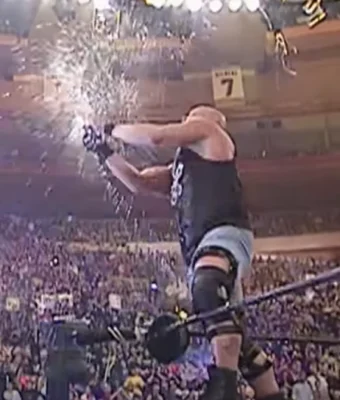
Week to week, Austin drove the energy of WWF television. He stunned bosses, sprayed beer, drove beer trucks into arenas, and turned segments into chaos with an energy that made him feel more like a force of nature than a wrestler playing a role.
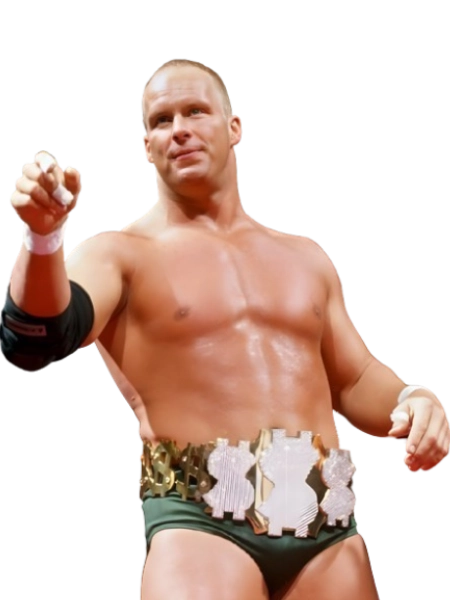
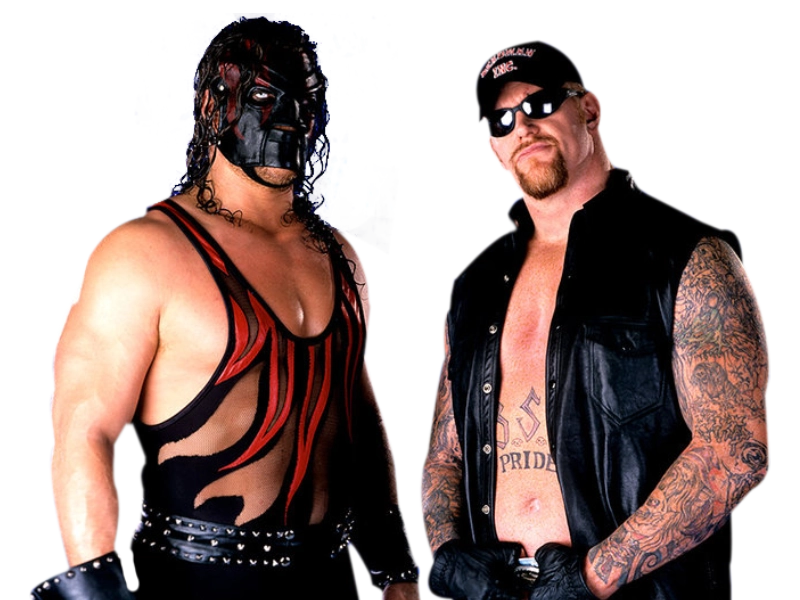
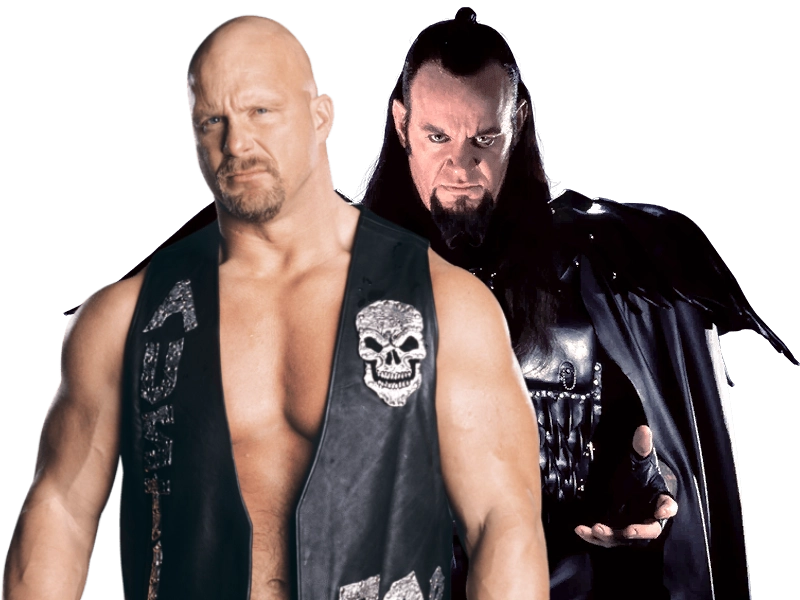
Austin won the WWF Championship six times across this run, feuding with The Rock, The Undertaker, and others, while McMahon kept trying to find new ways to stop him. His rivalry with The Rock became one of the main WWF main event programs of the Attitude Era, with major matches at WrestleMania XV, WrestleMania X-Seven, and WrestleMania XIX.
In their WrestleMania X-Seven match in April 2001, Austin defeated The Rock in what many consider one of the best WrestleMania main events. The match was held in Houston, Austin’s home state, in front of a sold-out crowd that had expected a triumphant sendoff for their hero. Instead, the night ended with Austin aligning himself with McMahon and shaking his hand, a heel turn that shocked the audience and remained controversial for years.
The WWF committed to the turn, but it never fully worked the way the company hoped. Fans had a hard time rejecting Austin for long, and the run as a villain ultimately didn’t have the same staying power as his anti-authority peak.
By 2002, the neck damage that had followed him since SummerSlam 1997 was becoming harder to manage. In June 2002, Austin left the company rather than work a television match against Brock Lesnar that had little buildup or context. The situation became one of the most talked-about stories in wrestling at the time, and Austin later explained his side of it in detail. He eventually returned, but his in-ring time was almost over.
His final official match for nearly 19 years came at WrestleMania XIX in March 2003, where he lost to The Rock in their third WrestleMania match against each other. That bout closed the book on Austin’s full-time in-ring career, even though most people didn’t fully realize it in the moment.
Austin entered the WWE Hall of Fame in 2009 and remained a major presence for the company afterward in non-wrestling roles. He appeared in segments, served as a special referee on occasion, and was still treated like one of the defining stars in company history.
In April 2022, at WrestleMania 38 in Dallas, Texas, he returned for the first time in nineteen years. Kevin Owens had spent weeks beforehand running down Austin and the state of Texas, and the two were booked to appear together on a special edition of Owens’ in-ring talk segment, The KO Show.
Nobody confirmed whether it would go further than that, but when they got in the ring together, Owens challenged him to a No Holds Barred match. Austin accepted, and what had been advertised as a conversation became the main event of Night 1. They brawled through the crowd and around the ringside area, Austin drank beer and spit it on Owens, and it ended with a final Stunner from Austin that saw him leave the winner.
Dallas was where he’d had his first match, and as he’s said in interviews since, it felt like the right place to have his last one.
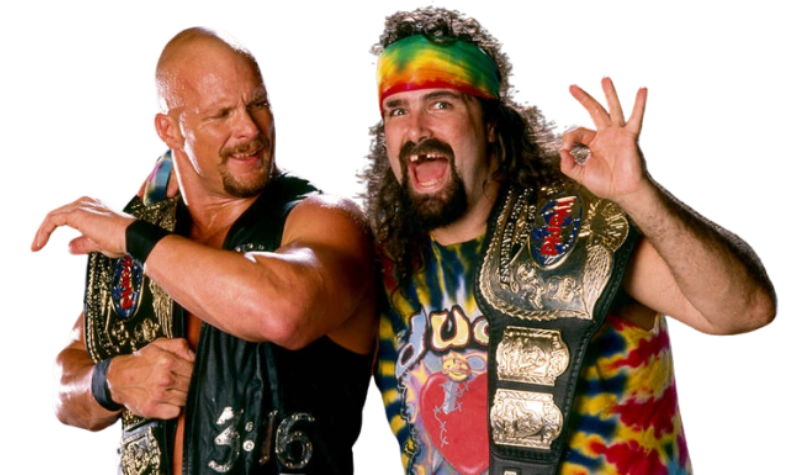
The career left behind six WWF Championships, two Intercontinental Championship reigns, and four WWF Tag Team Championship reigns, along with a commercial footprint that extended well beyond wrestling. The Austin 3:16 slogan became one of the most recognizable phrases the industry has ever produced, and the Austin versus McMahon dynamic is still cited as the template for how a babyface rebellion storyline can be built and sustained.
Few characters in wrestling history generated the level of audience investment that Stone Cold Steve Austin did at his peak, and fewer still maintained it for as long.











Share Your Thoughts on This Wrestler
You must be logged in to post a comment.