Owen Hart carried a rare mix of sharp technique, sly humor, and natural warmth that made him beloved in the locker room and unforgettable to fans. He made everything in the ring look clean and real, whether he was a cocky villain calling himself the “King of Harts” or a masked goofball as the Blue Blazer. His career ended in tragedy in 1999, but his work and the stories others tell about him still shape how people talk about great in-ring wrestlers.
Owen James Hart was born in May 1965 in Calgary, Alberta, the youngest child of promoter and trainer Stu Hart and his wife Helen. Growing up in the Hart family meant growing up around wrestling rings, and he first tried the sport at the amateur level in high school and at the University of Calgary, where he became a noted college wrestler.
Wrestling wasn’t his first career choice, and he briefly tried other jobs, but when nothing else stuck, he returned to the family trade, training in Stu’s famous basement, called the “Dungeon”, and debuted for Stampede Wrestling in 1986 as “Bronco” Owen Hart.
During his time in Stampede, he quickly moved from rookie to featured star, winning titles and earning attention for his smooth, fast-paced matches. That success led to tours in Japan with New Japan Pro-Wrestling (NJPW) and trips to Europe and Mexico, where he learned to wrestle longer matches and picked up flying moves like top-rope crossbodies and crisp dropkicks that would become part of his trademark offense.
WWF first brought him in in 1988. Rather than present him simply as Bret Hart’s younger brother, they put him under a mask as the Blue Blazer (after brief use of the name Blue Angel), a superhero-style character that let him show off his aerial style.
He worked midcard matches and appeared on pay-per-view at Survivor Series 1988, but left in 1989 to gain more seasoning.
From 1989 to 1991, he bounced between Stampede, overseas bookings, and a brief stint in WCW, adding polish to his timing and character work.
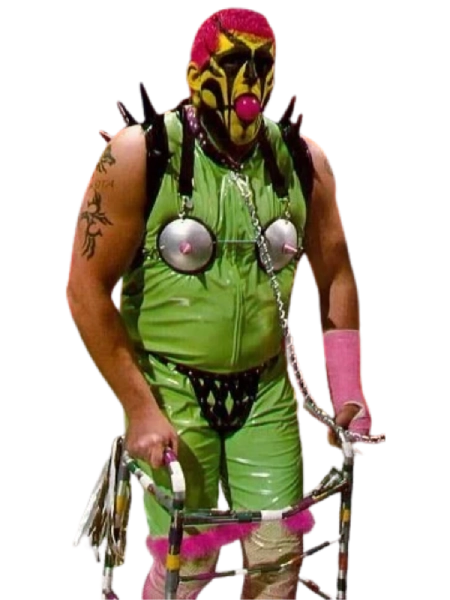
By late 1991, he returned to the WWF, this time under his own name and openly linked to the Hart family. He first teamed with his brother-in-law Jim Neidhart as The New Foundation, then with Koko B. Ware in the energetic babyface team High Energy, which showed how well his athletic style fit fast tag matches.
Owen’s career shifted in 1993 when the WWF turned him against his brother Bret. After a teased falling-out, he and Bret lost a tag match to The Quebecers at the Royal Rumble, and Owen snapped, blaming his brother for holding him back.
Their feud led to a classic opening match at WrestleMania X in March 1994, where Owen pinned Bret clean in a technical showcase that many fans still rank among the company’s best matches. Later that year, he won the 1994 King of the Ring tournament, crowning himself the “King of Harts” and leaning into a smug villain persona built around the idea that he was the real best wrestler in the family.
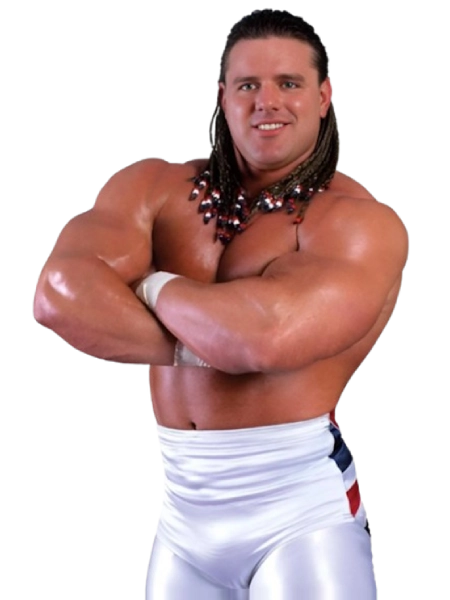
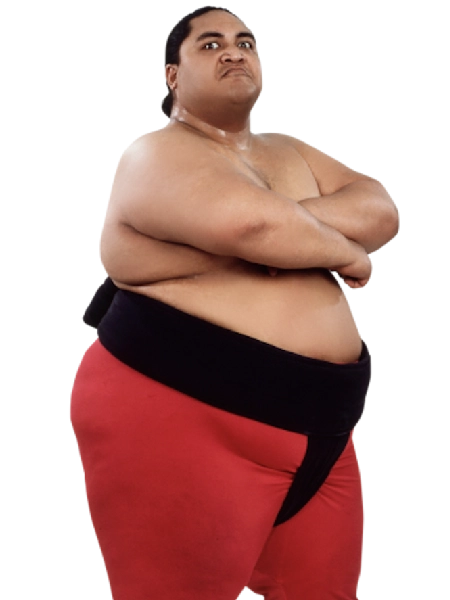
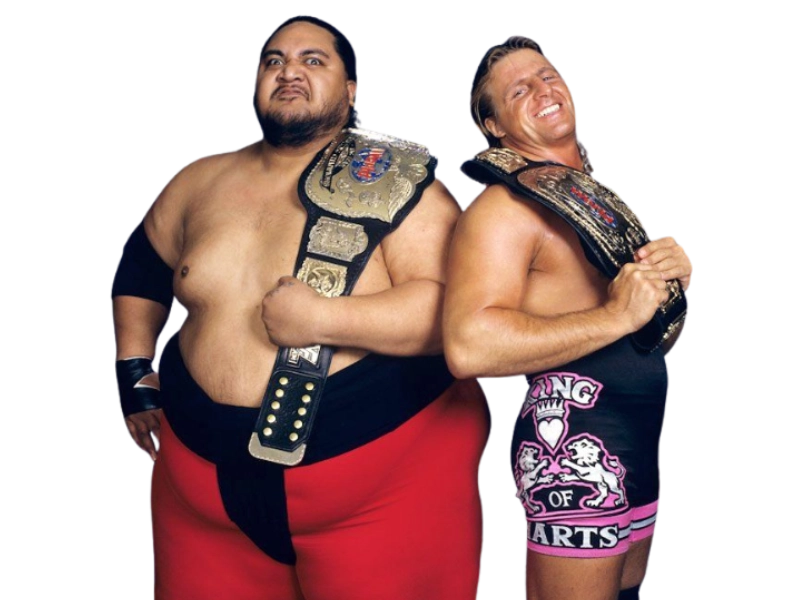
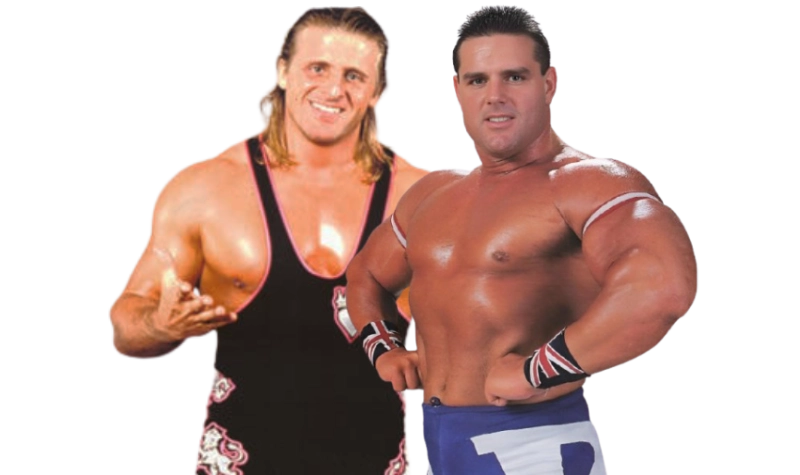
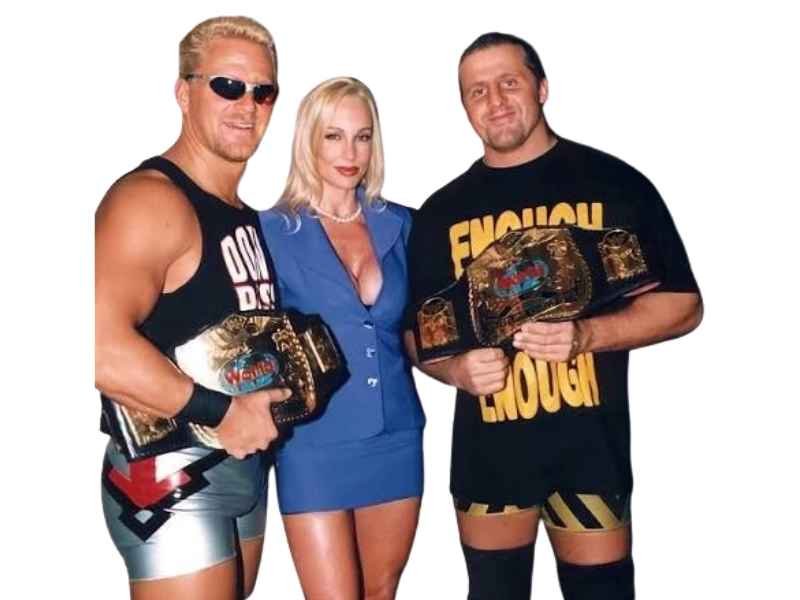
Through the mid-1990s, Owen became one of the WWF’s most reliable all-rounders. He captured multiple WWF Tag Team Championships with Yokozuna, The British Bulldog, and later Jeff Jarrett. He won the Intercontinental Championship twice and the European Championship once, often switching between singles and tag programs as needed.
In 1997, he joined the new Hart Foundation alongside Bret, Bulldog, Jim Neidhart, and Brian Pillman, playing a proud Canadian who insulted American crowds while defending his family, which made the group huge villains in the U.S. and heroes in Canada.
After the Montreal Screwjob in November 1997 removed Bret Hart from the WWF, Owen returned as an angry lone wolf, briefly feuding with Shawn Michaels and D-Generation X, then later joining the Nation of Domination as his role shifted again.
By 1998–1999, with the Attitude Era in full swing, he was often paired with Jeff Jarrett in the tag division, while his on-screen character lightened up at times, showing more of the real-life prankster who was famous among wrestlers for his jokes and sense of humor.
His final character run came as a revived version of the Blue Blazer, this time played for comedy as a self-righteous superhero who mocked the more adult tone of WWF programming.
On May 23, 1999, at the PPV, Over the Edge in Kansas City, he was scheduled to descend from the rafters for a Blazer entrance stunt. A quick-release mechanism on his harness failed, and he fell from a height of around 70 feet into the ring. After being rushed to a nearby hospital, the internal injuries caused him to die that night at age 34.
In the ring, Owen Hart worked at a steady pace that combined mat wrestling, sharp counters and bursts of aerial offense. He used snap suplexes, rolling cradle pins and precise enzuigiri kicks (a kick to the back of an opponents head) as setups, often cutting opponents off with a sudden spinning heel kick or missile dropkick.
His main submission was the Sharpshooter, shared with Bret, but he also finished matches with a top-rope elbow or piledriver, depending on the story being told. He had a knack for making other wrestlers look good while still keeping his own character strong, which is part of why so many peers later called him one of the best in the world.
Owen’s death led his widow, Martha Hart, to campaign for better safety and to keep his name separate from WWE projects, which is why he is not in the official WWE Hall of Fame. However, he is recognized in the Professional Wrestling Hall of Fame.
Even so, his influence lives on in wrestlers who grew up watching his work, in tributes like the Owen Hart Foundation tournaments in modern promotions, and in the way people still talk about the younger Hart brother who could do almost everything in the ring and made friends everywhere he went.







Share Your Thoughts on This Wrestler
You must be logged in to post a comment.