Shawn Michaels built his legend on the idea that a wrestling match could feel like a full movie, with swagger, panic, comedy, and heartbreak all hitting in the same minute. As “The Heartbreak Kid” and “Mr. WrestleMania,” he helped define what a WWE main event looked and sounded like in the eras that followed him, from the entrance music to the last-second kickout.
Michaels grew up around Texas and tied himself early to the San Antonio wrestling scene, training under José Lothario and breaking in as a teenager in the mid-1980s. He debuted in October 1984 for Mid-South Wrestling, then worked events for the Gulf Athletic Club promotion (also known as Houston Wrestling) and the National Wrestling Alliance (NWA) that same year.
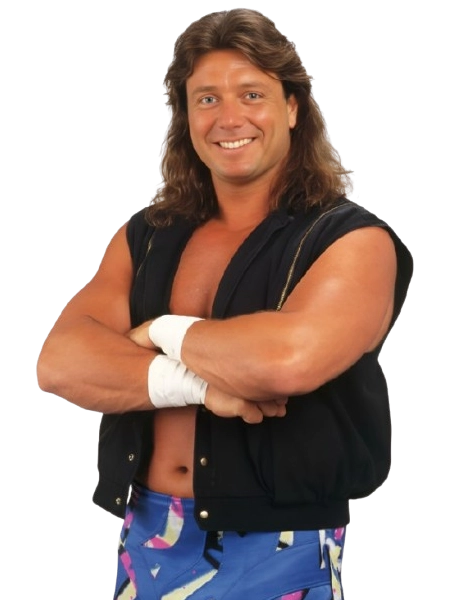
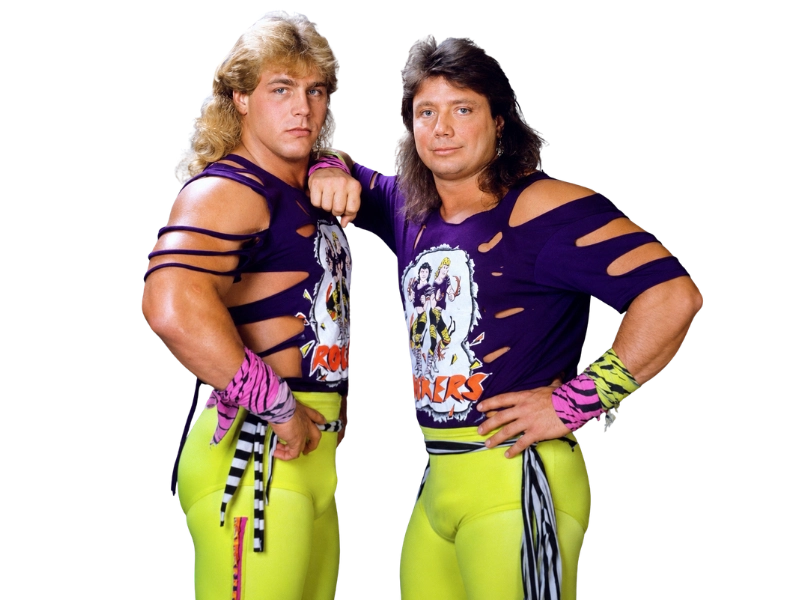
By 1985, he and Marty Jannetty had clicked as the Midnight Rockers, a young tag team built around quick tags, flying bumps, and a cocky charm that got cheers and boos at the same time. Their work took them through several promotions and into the American Wrestling Association (AWA), where they won the AWA World Tag Team Championship before a short, messy first try with the WWF in 1987, followed by a return in 1988 as “The Rockers”.
The Rockers became a fan-favorite act in the WWF because they wrestled at a faster pace than most of the tag teams of that era, with quick tags, double-team bursts, and a style that felt more athletic than power-based.
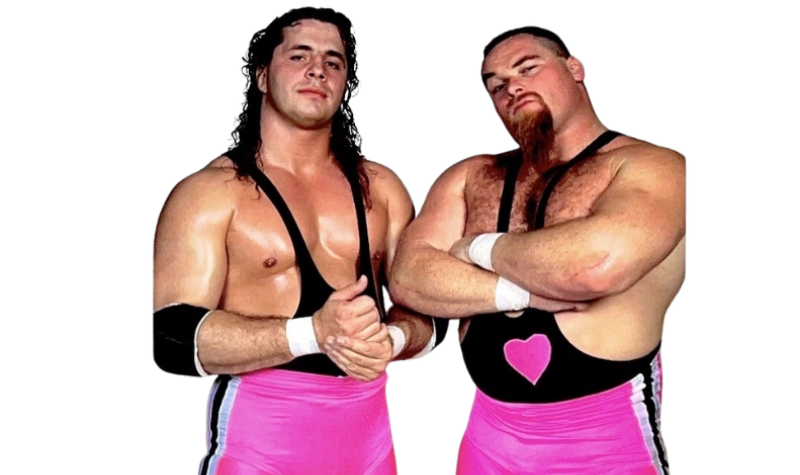
In October 1990, they even won the WWF Tag Team Championship in a match against The Hart Foundation (Bret Hart and Jim Neidhart) at a TV taping for The Main Event IV, but the top rope snapped during the match, so the WWF decided not to air the title change and reversed it in the storyline.
The match still circulated later, and it became one of wrestling’s best-known “almost” title wins, since they technically won the belts in the ring but were never officially recognized as champions.
In 1992, Michaels violently ended the team on television by throwing Jannetty through a window during an interview segment. The breakup became one of the most replayed moments of the era and gave him the opening to build the confident Heartbreak Kid persona that soon became his trademark.
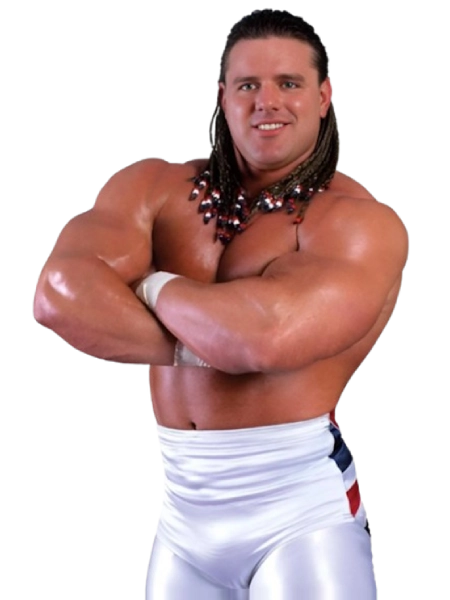
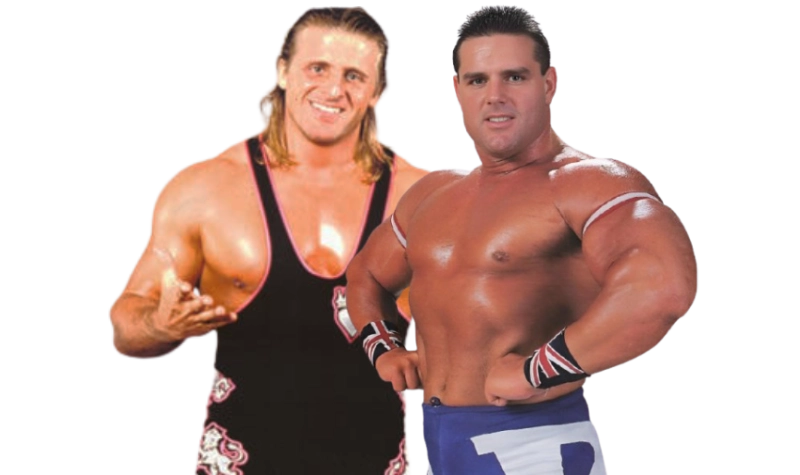
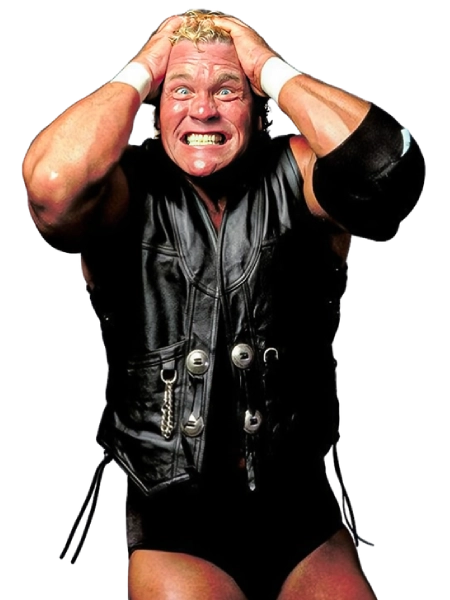
From there, he leaned hard into his new character with Sensational Sherri at his side and “Sexy Boy” as his calling card. By late 1992, he had his first Intercontinental Championship run after beating The British Bulldog on Saturday Night’s Main Event XXXI on November 14, 1992, and he closed the year by challenging Bret Hart for the WWF Championship at Survivor Series on November 25, 1992.
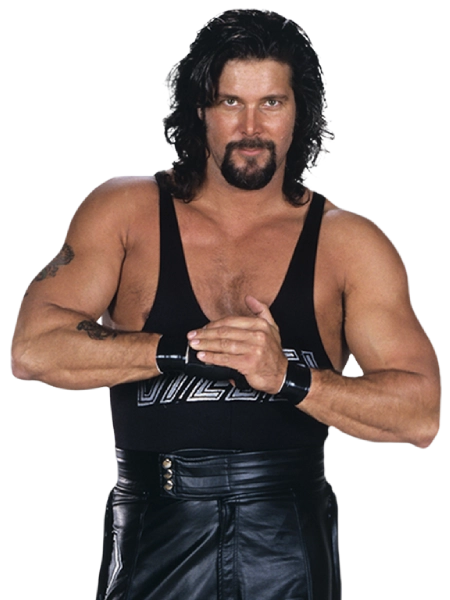
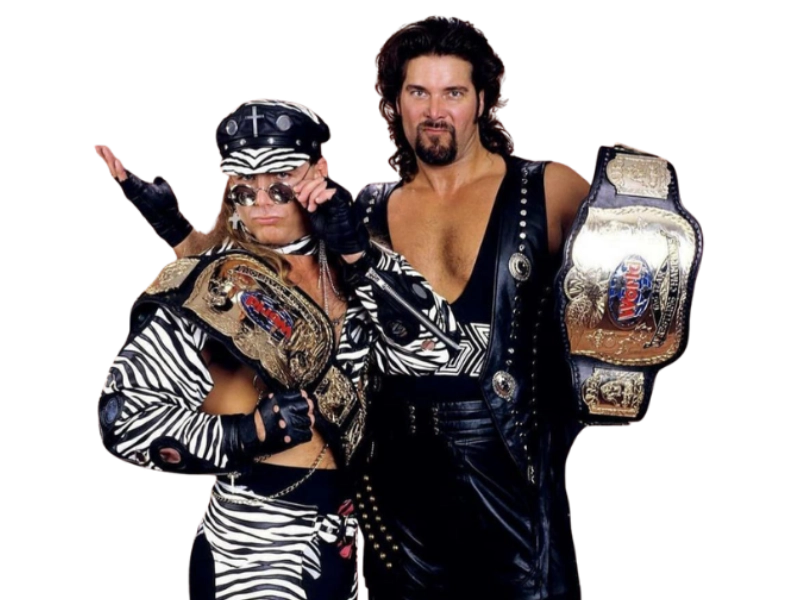
His mid-1990s run turned him into a centerpiece. He helped make ladder matches feel like big-time drama in his WrestleMania X clash with Razor Ramon on March 20, 1994. He also formed a rough-edged, entertaining tag partnership with Diesel, then became the first wrestler to win back-to-back Royal Rumbles, winning in 1995 and then again in 1996 to earn the WrestleMania XII main event.
On March 31, 1996, he beat Bret Hart in the first televised WWF Iron Man match to win the WWF Championship, completing the famous “boyhood dream” story WWE still uses as a signature moment.
However, these peak years also came with real chaos. In 1996, “The Curtain Call” incident broke wrestling’s usual code of staying in character, and in late 1997, Michaels was involved in the Montreal Screwjob on November 9, 1997, when Bret Hart lost the WWF Championship in an unplanned finish that became one of the most infamous nights in the business.
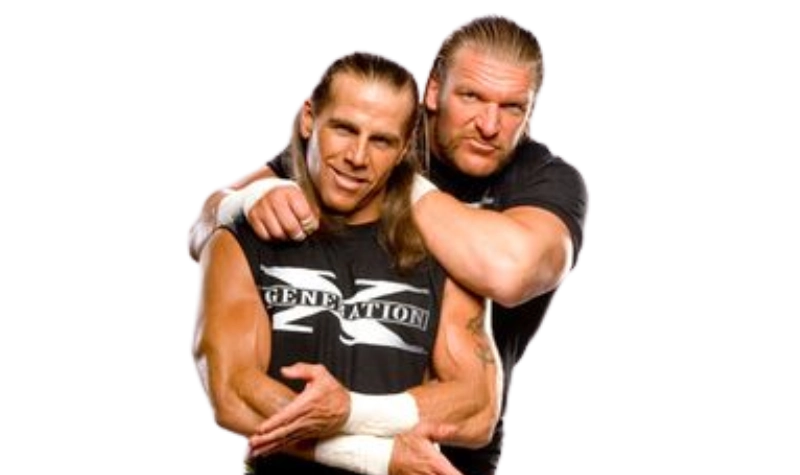
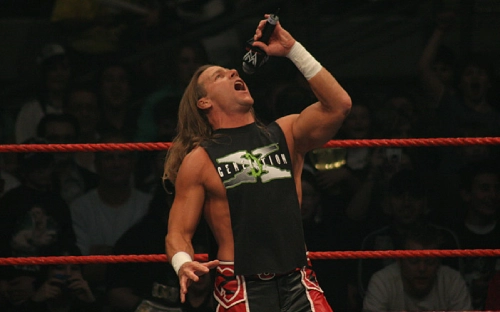
Around that same time, he helped kick off D-Generation X with Triple H, pushing the WWF’s “Attitude Era” tone into the mainstream.
In January 1998, a casket match with The Undertaker at the Royal Rumble led to a severe back injury. Michael’s first full-time run ended soon after he dropped the WWF title to Steve Austin at WrestleMania XIV on March 29, 1998.
During the years away from the ring, he opened the Shawn Michaels Wrestling Academy in 1999, partnering with Lothario and Rudy Boy Gonzalez. The school later became known as the Texas Wrestling Academy and helped train future names across the industry.
His comeback started in 2002, and it ended up lasting much longer than anyone expected after four years away. He returned on WWE TV in June 2002, then settled back into an in-ring role at SummerSlam on August 25, 2002, when he faced Triple H in an Unsanctioned Street Fight. WWE framed it as a fight that the company didn’t officially approve, which fit the story of Michaels returning to prove something.
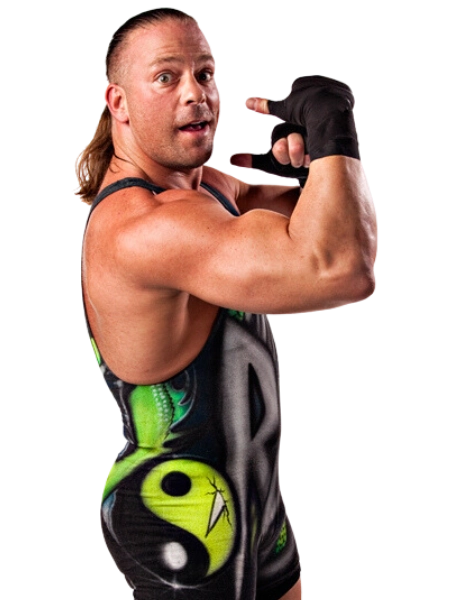
A few months later, he reached the top again. At Survivor Series on November 17, 2002, Michaels entered the first Elimination Chamber match and won the World Heavyweight Championship, outlasting Triple H, Chris Jericho, Kane, Booker T, and Rob Van Dam. That win set the tone for the rest of his second run, because he started to lean into matches that built slowly and paid off with big turning points.
Over the next several years, he became known for long, story-driven rivalries that focused on timing, selling, and crowd emotion. He also re-formed D-Generation X with Triple H in 2002 and kept moving between singles feuds and major tag programs.
One of the clearest examples of his late-career approach came at WrestleMania XXIV on March 30, 2008, when he faced Ric Flair in a “career on the line” match. The ending was treated as a final goodbye for Flair in WWE, and Michaels finished him with Sweet Chin Music after telling him, “I’m sorry.”
The final stretch of his full-time career was closely tied to The Undertaker. They faced each other at WrestleMania 25 on March 29, 2009, in a match that is often viewed as one of the best in WrestleMania history.
They then met again at WrestleMania XXVI on March 28, 2010, in a rematch billed as a “Streak vs. Career” match. The Undertaker had never lost at WrestleMania, and Michaels agreed that if he lost, he would have to retire. Undertaker won, and Michaels followed through by stepping away from full-time in-ring competition.
Michaels treated his entrance like a show of its own. The flashy gear, the swagger, and “Sexy Boy” made it feel like something big was about to happen, and he carried that same energy into the match once the bell rang.
In the ring, he worked with quick, precise footwork and paced his matches so the story remained easy to follow. He made near falls feel like a last-second escape, and he sold pain with big, clear reactions that pulled the crowd in.
He could mix in humor for a second, but the danger always came right back, so the audience never checked out. That balance is a big reason his biggest matches still hold up. You could see the plan, feel the momentum shifts, and tell when he was trying to bait an opponent into one mistake.
His offense also had a pattern people learned to recognize. He would use the corner “tune-up” stomps to build anticipation, then hit Sweet Chin Music, his superkick, the moment an opening appeared. Sometimes it was a sudden counter, and other times it was the final shot after he had worn an opponent down and forced them into a bad decision.
The diving elbow drop was a regular finish-run move, and he mixed in staples like the slingshot suplex and a modified figure-four leg lock to keep opponents off balance. Even small moments like the kip-up fit his rhythm, because they showed his confidence and helped him shift the tempo when a match needed a spark.
After retirement, he stayed a major WWE presence. He entered the WWE Hall of Fame in 2011, and he later received a second Hall of Fame induction as part of D-Generation X in 2019. He did step back into the ring one more time in the Crown Jewel main event on November 2, 2018, teaming with Triple H as DX against The Undertaker and Kane, but that would be his last official match.
Today, Michaels works behind the scenes as a WWE Senior Vice President focused on talent development and NXT creative. In that role, he is one of the key voices shaping how new wrestlers are trained, presented, and moved into bigger opportunities, which keeps his fingerprints on WWE even without him being an on-screen star.
Shawn Michaels raised the bar for what people expect from a main event match in WWE. He wasn’t the biggest wrestler, and he wasn’t booked as unbeatable for most of his career, but he made moments feel huge because he understood timing, suspense, and payoffs.
Main events after he left the ring followed the same blueprint he helped popularize, with long stretches where the crowd rides each near fall, signature spots everyone knows are coming, and a finish that lands because the story has been built clearly the whole way.
Between his tag team influence with The Rockers, the cultural impact of D-Generation X, and the standard he set at WrestleMania, Michaels is remembered as one of the clearest examples of a wrestler who could make an arena believe they were watching something that mattered right now, right in front of them.












Share Your Thoughts on This Wrestler
You must be logged in to post a comment.