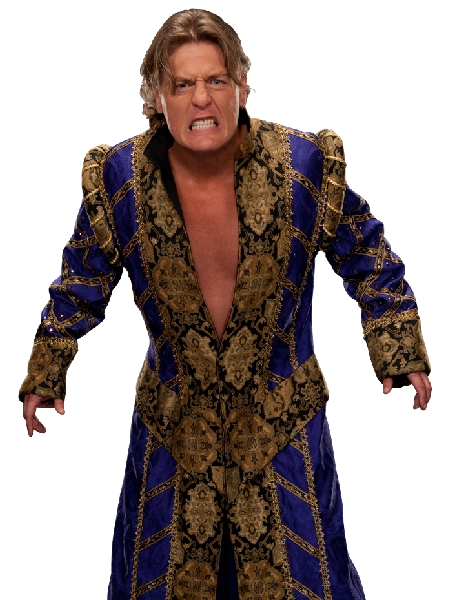
William Regal is widely recognized as one of the most technically skilled and respected figures in modern professional wrestling. Known for sharp timing, expressive facial reactions, and a style built around holds and strikes rather than flashy moves, he built a reputation for making even simple offense feel intense and look believable.
Over a long career, he became closely tied to three major eras. He was a featured technical villain in WCW during the 1990s, a steady presence across many WWE rosters and storylines from 1998 onward, and later became one of the most visible mentors in WWE’s modern developmental system.
William Regal’s real name is Darren Kenneth Matthews. He was born on May 10, 1968, in Codsall, England, and later became closely associated with Blackpool. He came up in the British wrestling scene when it still had a strong working-class feel, with roots in carnival and theatre-style entertainment.
Trained by Marty Jones, he started working as a teenager and got some of his earliest reps at Blackpool Pleasure Beach in promoter Bobby Barron’s wrestling booth. This was a fairground challenge show where wrestlers faced each other, along with members of the public who would pay for a chance to compete for prize money.
As he moved up into the tougher “shooter” role at the booth, he learned to clamp on painful submissions and end challenges quickly, which helped build his reputation for toughness and gave him a hard-edged base in controlling opponents on the mat.
From there, he settled into regular work on the British circuit from 1983 through the early 1990s, taking bookings around the country and becoming a fixture for Brian Dixon’s All Star Wrestling. He also worked under variations of the Regal name, including a short television spell as Roy Regal, before he was more commonly known as Steve Regal as his career picked up. The constant touring taught him how to adjust to different crowds and opponents without losing what made him effective, and that grind stayed with him even when his roles changed later on.
In the late 1980s, he teamed with Robbie Brookside as The Golden Boys in All Star Wrestling, and they appeared during the final stretch of British wrestling’s regular ITV coverage. Even in that setting, where audience reactions could swing wildly from venue to venue, Regal stood out because he could be funny and nasty in the same match, and still keep the wrestling tight and physical.
As more international work opened up, he started taking bookings outside Britain. By the early 1990s, he was working parts of Europe, including a 1992 stint in Germany with Otto Wanz’s Catch Wrestling Association, a well-known stop for traveling heavyweights.
Around the same period, major American companies also took a look at him on their UK swings, including a WWF dark match at UK Rampage on April 24, 1991, and a Battle Royal match at the Royal Albert Hall event on October 3, 1991. Later that year, he also worked on WCW’s Roar Power UK tour, including shows at London’s Olympia in December 1991.
That string of appearances set up his move to WCW. Regal has described reaching out to WCW leadership in 1992, and by early 1993, he was on WCW television, making his first appearance on WCW Saturday Night on January 30, 1993, followed by his first match on February 6, 1993.
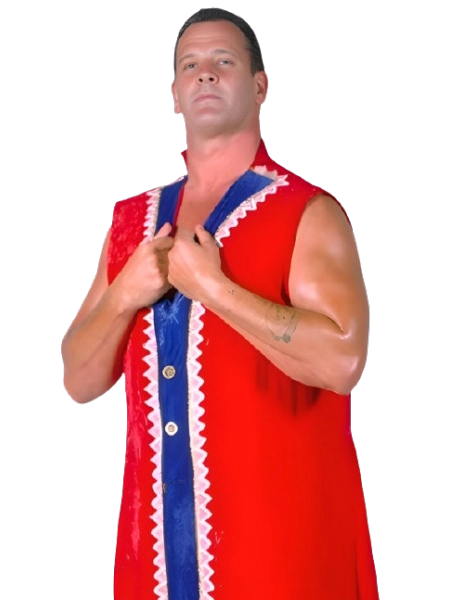
He first arrived as Steve Regal, then soon shifted into the “Lord Steven Regal” persona, a cold, arrogant villain presented as an upper-class snob who could back up every insult once the bell rang.
In September 1993, he beat Ricky Steamboat to win the WCW World Television Championship. This title reign helped define him on American TV as a champion who could turn a match into a struggle of holds, counters, and composure. He returned to that championship several times, holding the WCW World Television title four times, with reigns that stretched from 1993 to 1997.
WCW used him in feuds that suited his style, including high-profile programs where the story leaned on technique, control, and frustration rather than chaos. By the time he left WCW’s full-time rotation, he was established as a dependable television wrestler who could make opponents look dangerous without needing a flashy move set.
Regal first appeared in the World Wrestling Federation (WWF) on the June 29, 1998 episode of Raw Is War, submitting Droz with the Regal Stretch. That initial WWF run was brief, with injuries and repackaging affecting his momentum, but it introduced him to a much larger audience.
After a short return to WCW, he rejoined the WWF and became a consistent part of the roster in 2000, now positioned as William Regal and regularly framed as both a dangerous grappler and an unlikeable antagonist.
From late 2000 through 2002, Regal piled up championship wins. He captured the European Championship on October 16, 2000, and would ultimately hold that title four times, including two more reigns in 2002. On January 20, 2002, he won the Intercontinental Championship, a reign that reinforced him as a credible singles threat in WWE’s upper midcard. Around that same time, he also became a frequent presence in the Hardcore division, with multiple short reigns in April 2002.
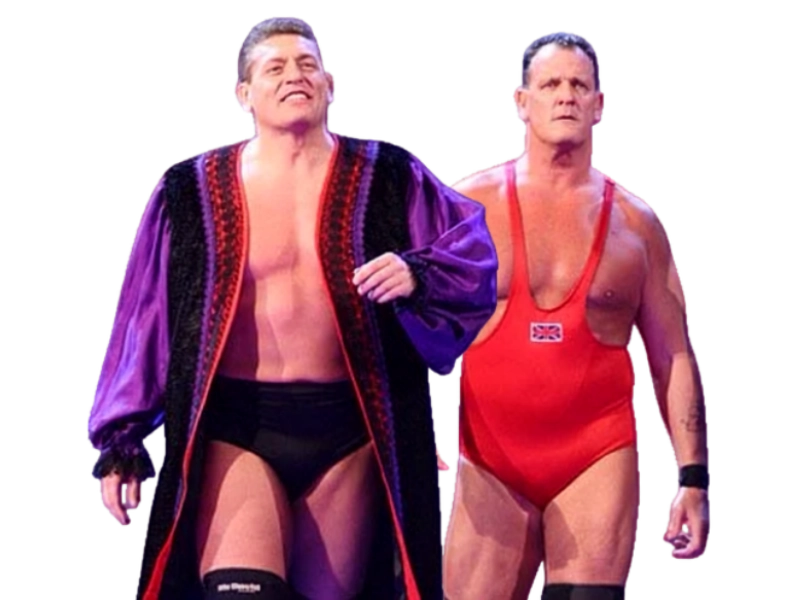
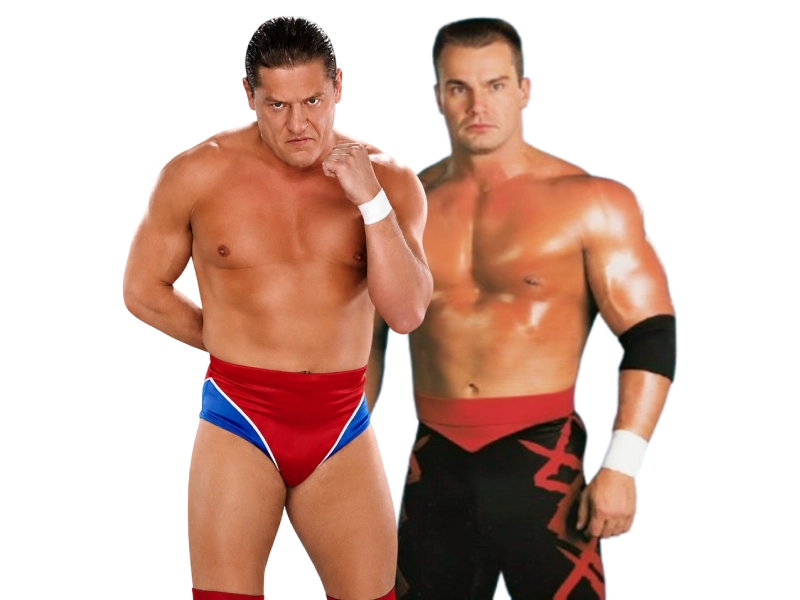
In 2002 and 2003, he was central to several WWE stories that blended nationalism and villainy, most notably The Un-Americans, and he found steady success in tag team wrestling.
Alongside Lance Storm, he won the World Tag Team Championship twice in early 2003, showing how well his controlled pace worked in tag team matches where timing and cheating mattered as much as athleticism.
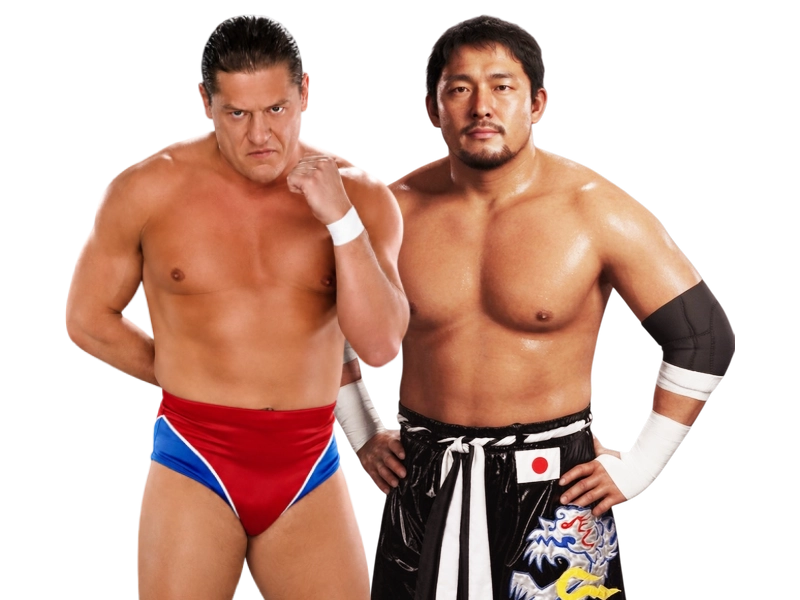
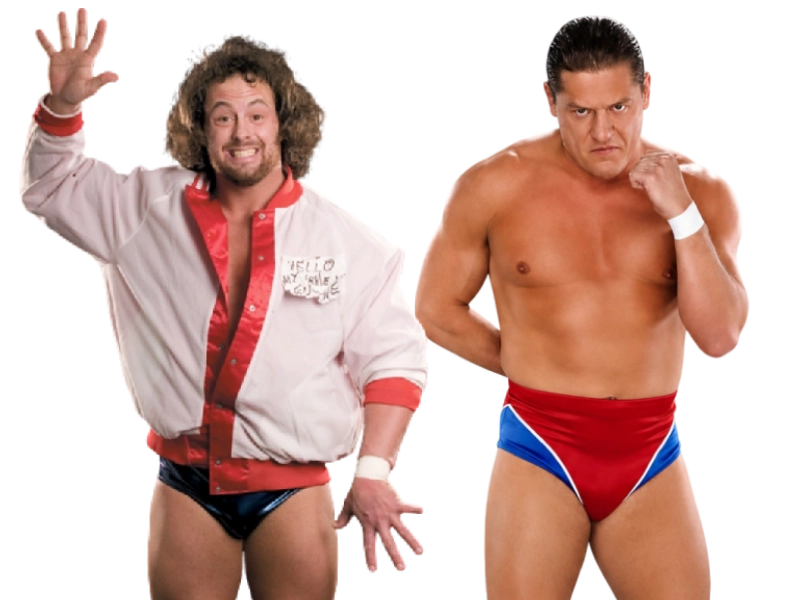
Later in the decade, he also won the same title with Eugene in 2004 and with Tajiri in 2005, which highlighted his range from stern mentor to comedic straight man without changing the basics of how he wrestled.
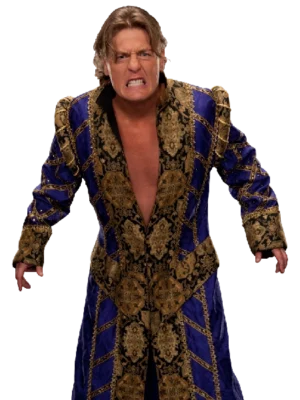
One of Regal’s most memorable WWE stretches came as an authority figure. He became Raw’s General Manager in August 2007 after winning a battle royal, and he leaned into the part as a controlled, petty antagonist who could still take a bump when the story called for it.
He won the King of the Ring tournament on April 21, 2008, then WWE announced a 60-day suspension on May 20, 2008, which cut short that run of on-screen power. Later that year, he returned to in-ring focus and won the Intercontinental Championship for a second time on November 10, 2008, in Manchester, England.
As the years went on, Regal shifted from full-time wrestling to a mix of occasional matches, commentary, and leadership roles. His final televised match came on WWE NXT on December 25, 2013, when he wrestled Antonio Cesaro, and he later confirmed his in-ring retirement.
By then, his value to WWE was increasingly tied to coaching, match structure, and talent evaluation rather than being a weekly performer. In August 2014, Regal became NXT’s on-screen General Manager, a role that made him a constant presence during NXT’s rise as WWE’s developmental and third brand.
He was released from WWE in January 2022, then resurfaced in All Elite Wrestling in 2022, debuting at Revolution and quickly aligning with Jon Moxley and Bryan Danielson to form the Blackpool Combat Club.
By early 2023, he was back with WWE in an executive talent development role that had been publicly described as Vice President of Global Talent Development, and he later appeared on WWE programming again, including NXT in 2024.
In the ring, Regal worked like a disciplined grappler who preferred to win by taking away options. The Regal Stretch, a tight STF-style submission, became his most well-known finish in the United States, and he paired it with European uppercuts, short knee strikes, and quick transitions into pins or holds.
He also became closely associated with using brass knuckles as a simple, believable shortcut when playing a villain, and that detail followed him into later cameo appearances because it fit the idea that he was always looking for an edge.
Regal’s legacy is split in a way that’s rare for a modern wrestler. As a performer, he’s remembered for believable, technically sound matches and for characters that could be funny, bitter, or genuinely threatening without needing to change his fundamentals.
As a mentor and executive, he’s been widely viewed as an important part of talent development in the NXT era, with a reputation for teaching pacing, realism, and how to make small moments matter.






Share Your Thoughts on This Wrestler
You must be logged in to post a comment.