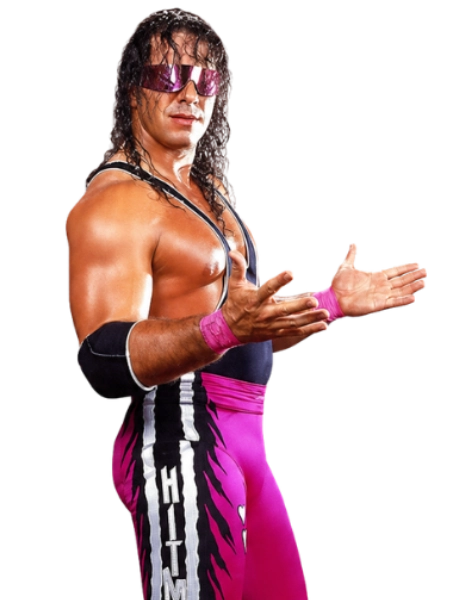
Bret “The Hitman” Hart is one of the most respected figures in professional wrestling history. Born in Calgary, Alberta, he grew up in a family that lived and breathed wrestling. His father, Stu Hart, ran the famous Hart Dungeon, a small training room where countless wrestlers learned the fundamentals. That’s where Bret learned patience, technique, and how to make every move in the ring matter.
He started out in his family’s promotion, Stampede Wrestling, in the late 1970s. It was a tough environment that tested both skill and endurance, but it helped him develop the technical style that later became his trademark.
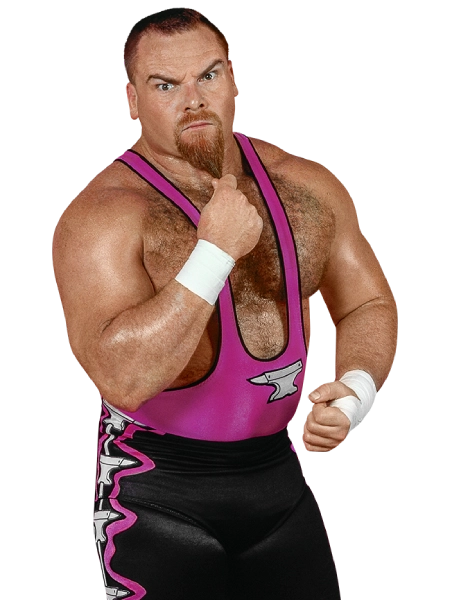
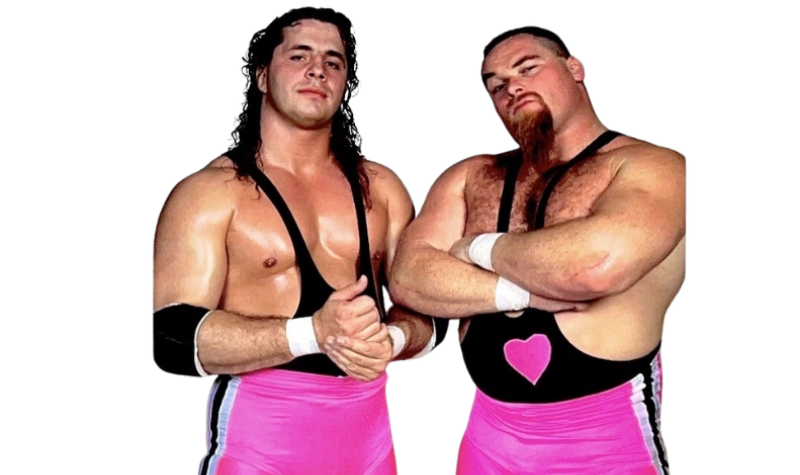
When he joined the World Wrestling Federation (WWF) in the mid-1980s, Bret teamed with Jim “The Anvil” Neidhart to form The Hart Foundation. The team’s mix of Neidhart’s raw power and Bret’s methodical approach made them a natural fit. With manager Jimmy Hart at ringside, they became one of the most dependable and entertaining tag teams of the decade.
As his singles career took shape, Bret showed that he didn’t need to rely on size or flash to win over a crowd. He earned the nickname “The Excellence of Execution” because of how smooth and believable his matches were.
In 1992, he defeated Ric Flair to win his first WWF Championship, setting the tone for the next several years of his career. Fans appreciated that his matches told stories built around competition, timing, and emotion rather than just spectacle.
Throughout the 1990s, Bret was at the center of many of the most talked-about rivalries in wrestling. His matches with Shawn Michaels, Owen Hart, and Stone Cold Steve Austin became classics. The Iron Man Match against Michaels at WrestleMania XII tested endurance like few matches before it, while his battle with Austin at WrestleMania 13 is still considered one of the best ever. That match also showed how naturally Bret could shift his persona from hero to villain while keeping the crowd completely invested.
In late 1997, Bret’s run in the WWF ended in controversy with what became known as the Montreal Screwjob, where the planned finish of his match was changed without his knowledge.
Soon after, he joined World Championship Wrestling (WCW), winning both the WCW World Heavyweight Championship and the United States Championship. His time there, however, was cut short after a serious concussion in 1999, which eventually forced him to step away from competition.
Outside of wrestling, Bret found new ways to stay active and creative. He co-founded the Calgary Hitmen hockey team, released a detailed autobiography about his life in wrestling, and made occasional appearances at events and conventions. In 2002, he suffered a stroke after a bicycle accident, but recovered and remained a visible figure in wrestling.
In 2010, Bret returned to WWE for a short run that gave fans closure after years of tension, even sharing the ring again with Shawn Michaels. Over the course of his career, he collected more than 30 championships, including five WWF World Titles and two WCW World Titles. He has been inducted into the WWE Hall of Fame both individually and as part of The Hart Foundation.
Bret Hart’s career excelled because of how real it felt. His matches were built around logic, pacing, and emotion, and his influence can still be seen in modern wrestling. To many fans and wrestlers alike, he’s exactly what he called himself: The Best There Is, The Best There Was, and The Best There Ever Will Be.













Share Your Thoughts on This Wrestler
You must be logged in to post a comment.