Ric Flair turned pro wrestling swagger into an art form, strutting to the ring in glittering robes, shouting “Woooo!” and backing it all up with long, tense world title matches. For decades he was the travelling champion fans associated with the NWA and later WCW, the centerpiece of the Four Horsemen and the benchmark other wrestlers had to beat if they wanted to call themselves great.
WWE now officially recognizes him as a 16-time world champion across NWA, WCW and WWF runs, though different counts push that number even higher, which only adds to the myth around “The Nature Boy.”
Richard Morgan Fliehr was born in February 1949 and raised in Minnesota, where he played football and tried other sports before settling on wrestling.
He trained with Verne Gagne in the early 1970s at a notoriously tough camp that pushed conditioning and basic holds, then debuted for Gagne’s American Wrestling Association in December 1972. Early on he was a stocky power wrestler, working under his own name, learning how to talk on local TV and facing veterans around the Midwest.
His career almost ended in October 1975 when the small plane carrying Flair to a show in Wilmington, North Carolina, crashed, killing the pilot and leaving everyone on board, including Flair, badly injured. Flair broke his back in three places and doctors told the 26-year-old that he would never wrestle again.
After months of rehab he returned to the ring in early 1976, slimmed down and forced to change from a power style to one built more on movement, timing and bumping around the ring.
Around this time he adopted the bleach-blond hair, sequined robes and “Nature Boy” nickname that had once belonged to Buddy Rogers, building the cocky, big-spending persona that stayed with him for the rest of his career.
Through the late 1970s and early 1980s he rose through Jim Crockett Promotions in the Mid-Atlantic territory. He won regional titles and then, in 1981, captured the NWA World Heavyweight Championship, beginning a long run as the company’s traveling champion who defended the belt in different territories and overseas.
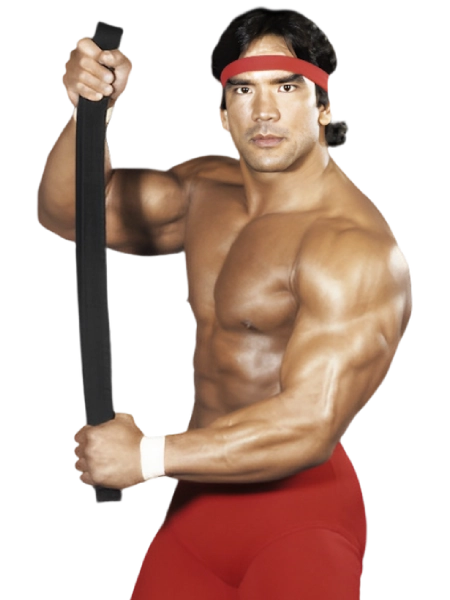
Flair’s matches with Ricky Steamboat, Dusty Rhodes, Harley Race and others helped define the “world title style” of the era, with long bouts built around selling, comebacks and clever cheating near the end.
As cable TV grew, Flair became the face of the NWA’s national push and then WCW. In the mid-1980s he joined with Arn Anderson, Tully Blanchard and Ole (later Barry) Anderson to form the Four Horsemen, a group of sharp-dressed heels who bragged about their success and dominated main events.
He traded the NWA world title many times, had a classic steel-cage main event with Harley Race at Starrcade 1983 and a much-loved trilogy with Steamboat in 1989 that is still praised for its pacing and storytelling.
In 1991 Flair had a falling-out with WCW management and left the company, taking the physical “Big Gold” NWA/WCW belt with him when he joined the WWF. There he was presented as the “Real World’s Champion”, and managed by Bobby Heenan and Mr. Perfect.
In early 1992 he won the vacant WWF Championship by entering the Royal Rumble at number 3 and lasting nearly an hour, one of his most famous performances. He then traded the belt back and forth with Randy Savage that spring before eventually returning to WCW in 1993.
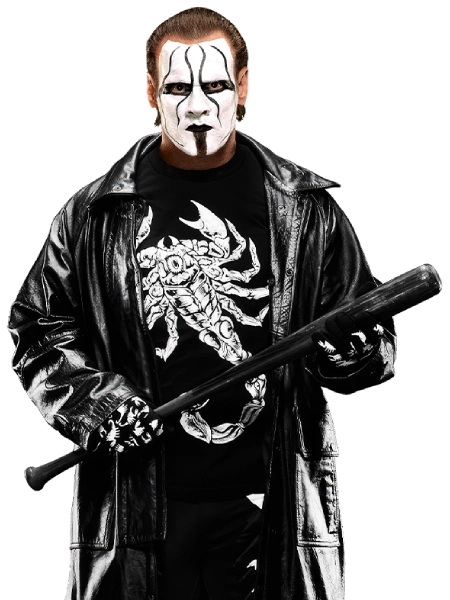
Back in WCW he moved from NWA standard-bearer to veteran rival for a new generation. He feuded with Sting through the early 1990s, wrestled Hulk Hogan when Hogan joined WCW, and later clashed with the New World Order, sometimes as a defiant company man and sometimes as an unhinged authority figure. He added more WCW World Heavyweight title reigns in these years, which is part of how the official tally reached 16.
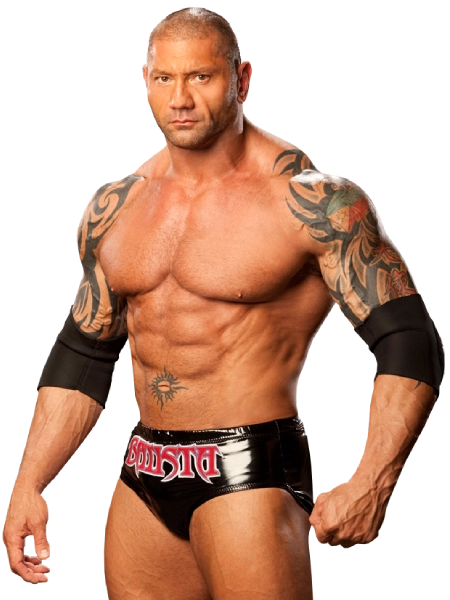
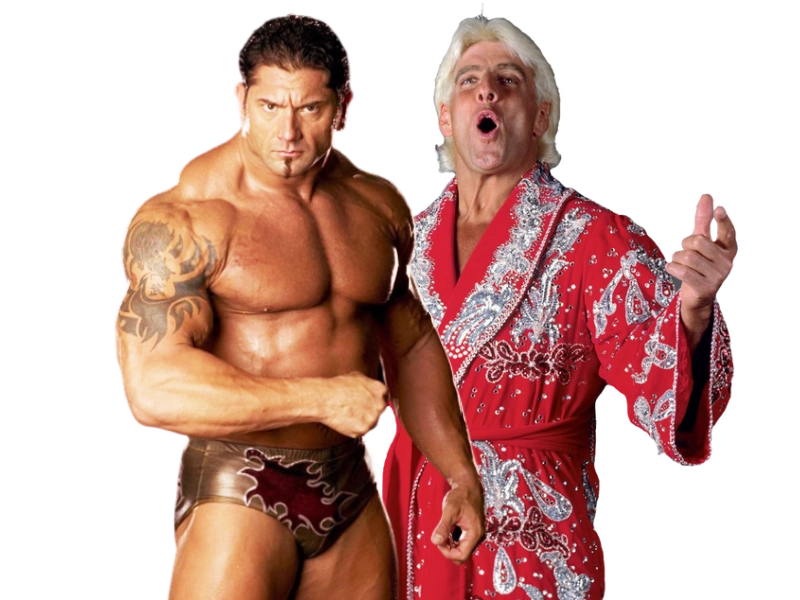
When WCW folded in 2001, Flair eventually settled into WWE as a legend and elder statesman. He became part of the Evolution group with Triple H, Randy Orton and Batista, serving as a veteran tag partner and mentor while still having emotional singles matches, especially his 2004–2006 bouts with guys like Shawn Michaels and Edge.
The company built to an official retirement storyline in 2008, where a loss would force him to stop wrestling. That story ended at WrestleMania XXIV when Michaels beat him after the famous “I’m sorry, I love you” superkick, and Flair received a long, emotional farewell the next night on Raw.
Money problems and his own competitive drive pulled him back. Flair toured with Hulk Hogan in 2009, then wrestled for TNA from 2010 to 2011, including another TV “last match” with Sting. Outside the ring he faced serious health scares, including a 2017 stay in a medically induced coma after organ failure and later battles with alcoholism and skin cancer, but he recovered and continued making guest appearances for WWE, NWA, AEW and independent events.
In July 2022 he headlined a special pay-per-view titled “Ric Flair’s Last Match,” teaming with Andrade El Idolo to defeat Jay Lethal and Jeff Jarrett in Nashville in what was promoted as the final bout of his 50-year career. The match went long and Flair later revealed he had suffered a heart attack during it, which fed into debates over whether he should ever wrestle again. As of 2024–2025 he has said he will not return to the ring, though interviews now and then still hint at the itch to perform.
In the ring, Flair was known for long, story-heavy matches built around stubborn selling, desperate comebacks and last-second escapes. He relied on chops, knee drops, a rolling back bump off the turnbuckle and tired, stumbling falls that made opponents’ offense look brutal, then stole wins with his feet on the ropes, a handful of trunks or a well-timed low blow. His figure-four leglock, often set up after working an opponent’s leg for several minutes, gave crowds a clear signal that the finish might be near.
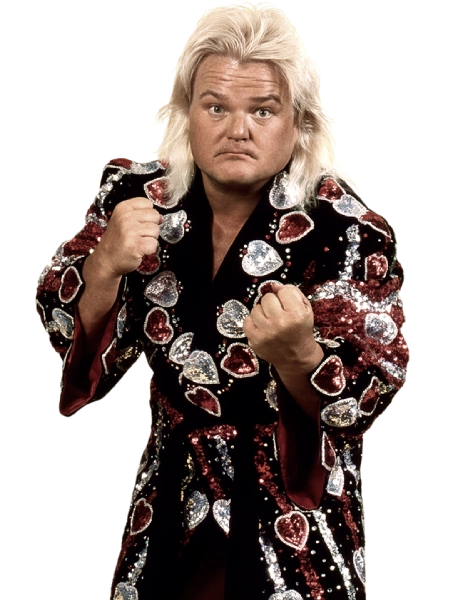
Presentation made the character unforgettable. Flair’s custom robes, loud promos about limousines and “role models,” and his shouted “Woooo!” gave him an aura of loud, over-the-top wealth that younger wrestlers still imitate.
He has been inducted into the WWE Hall of Fame twice, once alone and once as part of the Four Horsemen, and his influence shows up any time a modern star talks fast, struts across the ring or throws a knife-edge chop and waits for the crowd to answer with his signature yell.












Share Your Thoughts on This Wrestler
You must be logged in to post a comment.