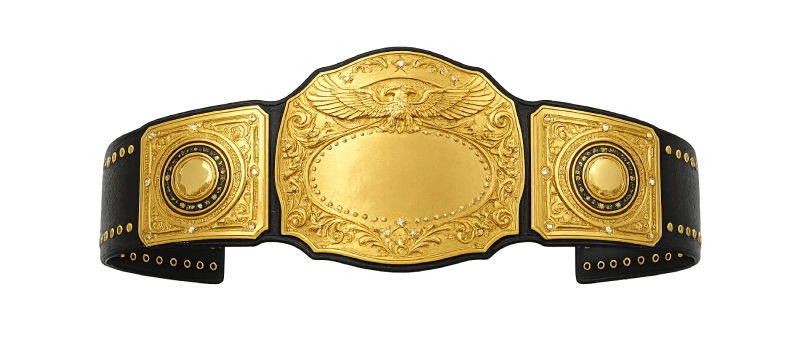
The American Heavyweight Championship was an early, widely recognized heavyweight wrestling title in the United States during the late 1800s. In its earliest form, it was often billed as “the championship of America.” It existed during a time when wrestling was not controlled by a single dominant promotion, so a “champion” was usually recognized based on major match results, newspaper coverage, and whether the public accepted a wrestler as champion.
This lineage begins on 01/19/1881, when Edwin Bibby defeated Duncan C. Ross in New York. From there, the title continued as a leading American heavyweight claim in an era where rules and wrestling styles shaped how championships were presented and understood. Catch-as-catch-can and Greco-Roman both mattered, and in some places, separate claims could exist depending on which style was being emphasized.
Several champions helped solidify the title as more than a local claim, including Joe Acton and Evan “Strangler” Lewis. Lewis became the key figure who linked the early “championship of America” claim to the more formal, unified championship identity that followed.
This era ended on 03/02/1893, when Lewis defeated Ernest Roeber in a three-out-of-five falls match that alternated between Greco-Roman and catch-as-catch-can bouts. That match is widely treated as a unification because it brought together the American Catch-as-Catch Can Championship and the American Greco-Roman Heavyweight Championship into a single recognized lineage. After that date, the belt is generally recognized under a consolidated identity as the American Heavyweight Wrestling Championship.
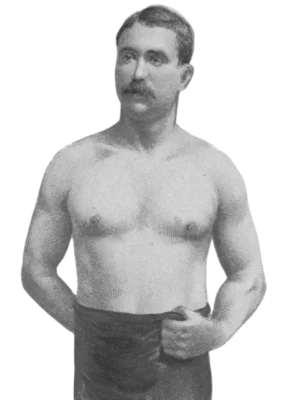
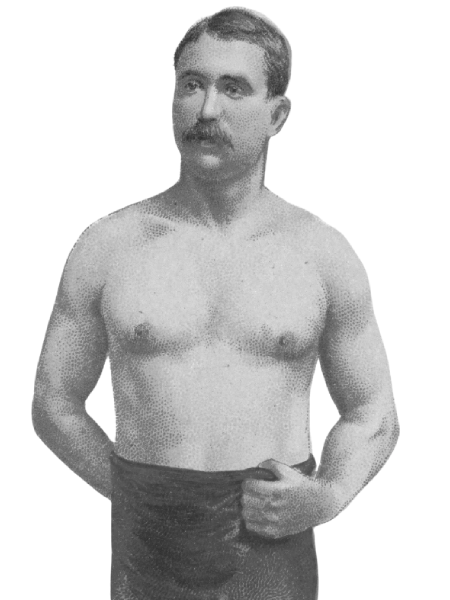 Joe Acton
 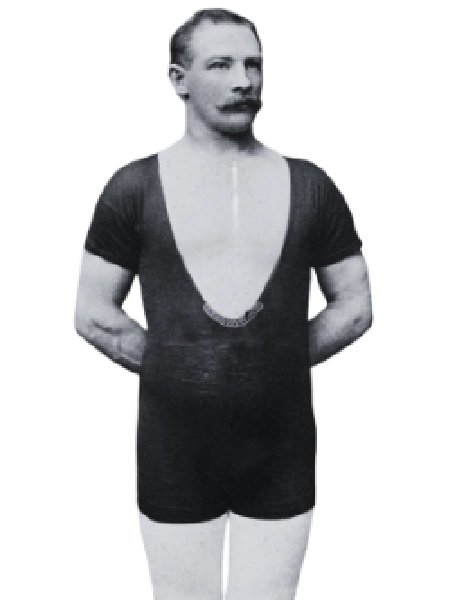 Edwin Bibby