Home / All Promotions / WWWF

World Wide Wrestling Federation

(WWWF)

Inactive

About WWWF

The World Wide Wrestling Federation (WWWF) was formed in early 1963 after Vincent J. McMahon and Toots Mondt split from the National Wrestling Alliance (NWA). They built the new group on Capitol Wrestling Corporation’s base in New York, New Jersey, and Pennsylvania.

The promotion focused on big arenas, steady television, and easy-to-follow stories. Madison Square Garden became the showcase venue, with regular monthly cards that set the pace for the circuit.
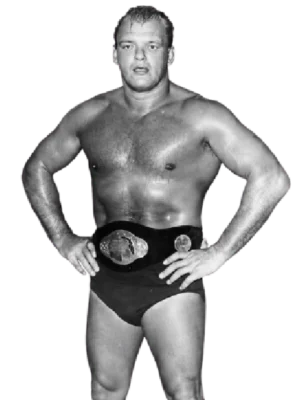
The company also ran consistent loops through Philadelphia, Boston, Baltimore, and Pittsburgh, which gave fans a predictable schedule and helped stars become local draws.
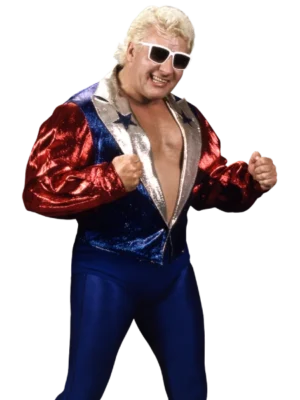
Establishing the World Title

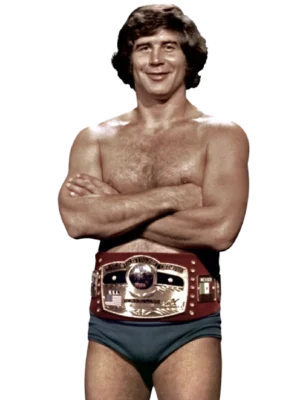
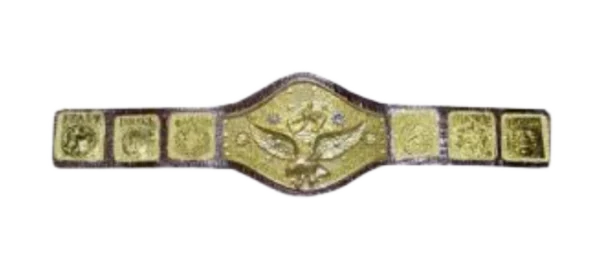
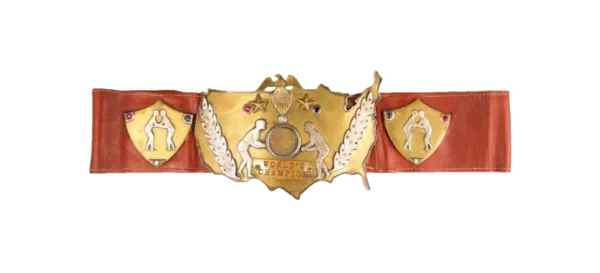
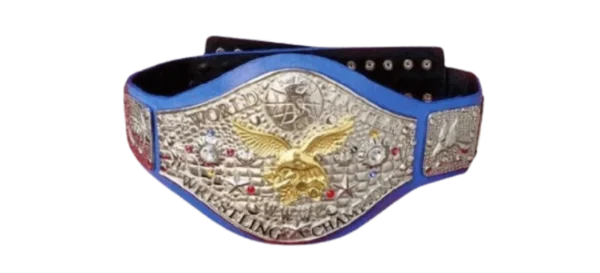
The company introduced the WWWF World Heavyweight Championship in April 1963 and recognized Buddy Rogers as the first champion, using a reported tournament in Rio de Janeiro to explain the new belt.
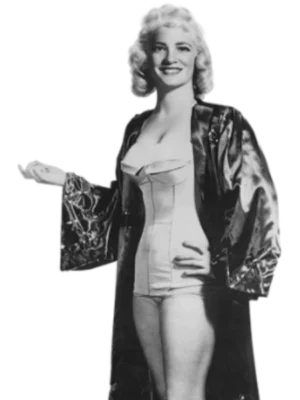
The title served as the centerpiece for every arena card. Promoters built each show around a clear championship program, often with one or two featured contenders moving into position through television wins and non-title matches in arenas.

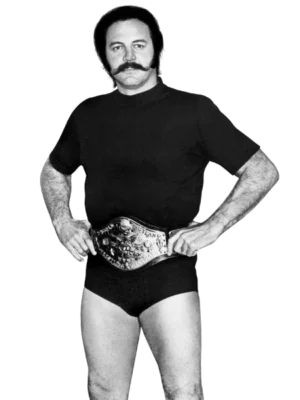
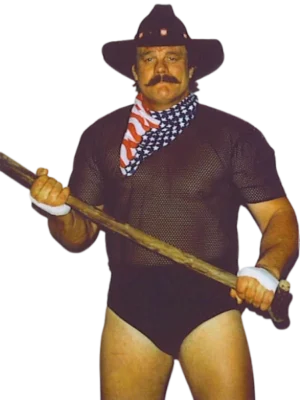
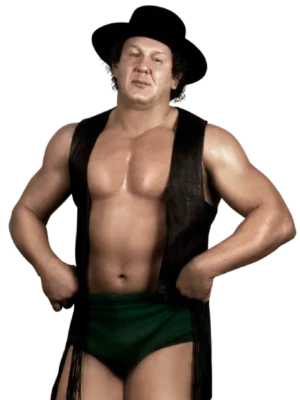
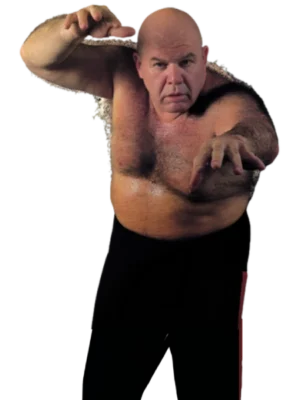
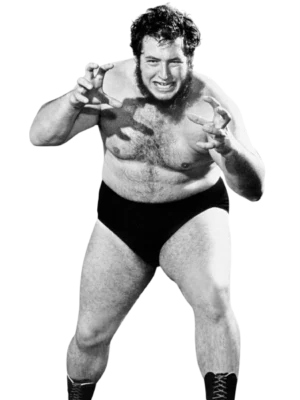
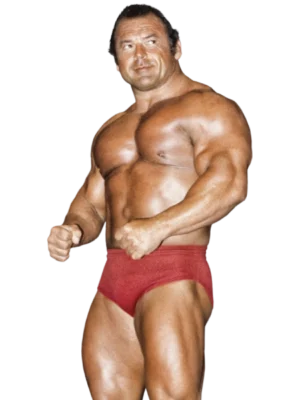
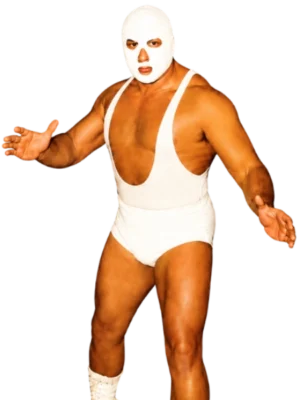
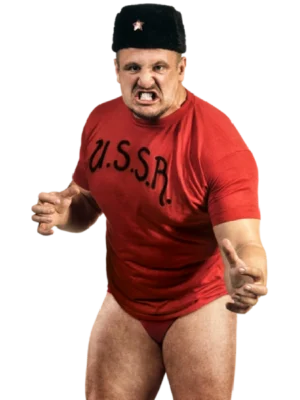
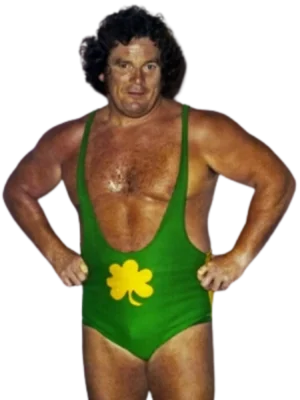
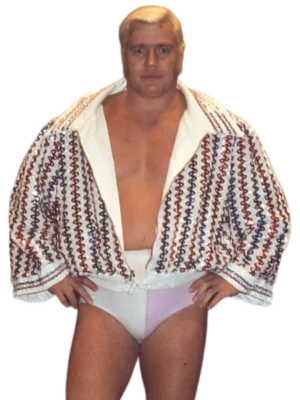
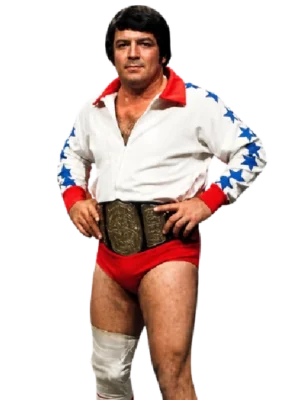
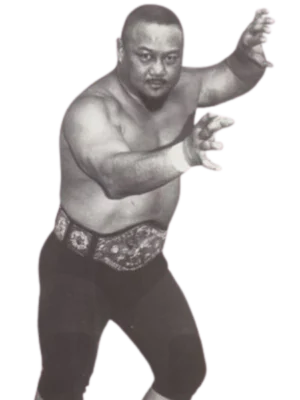
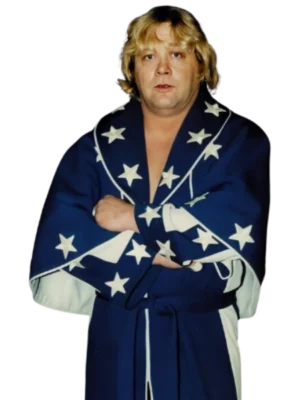
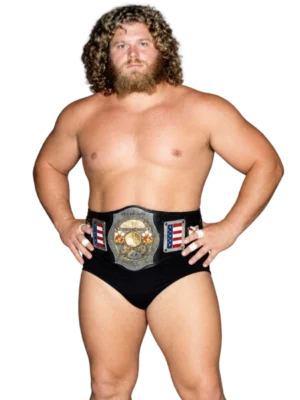
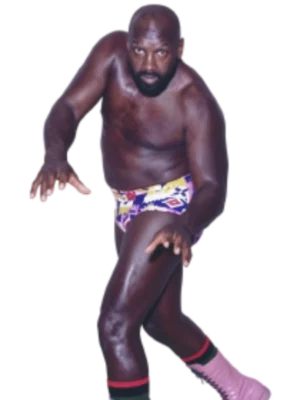
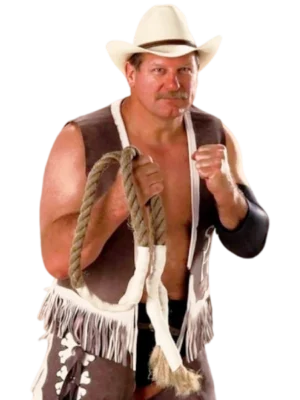
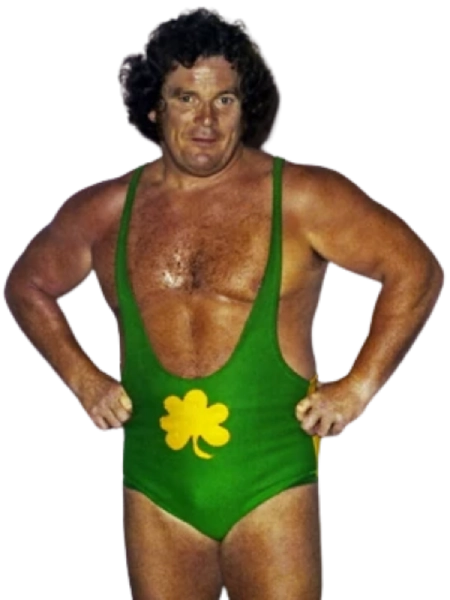
Bruno Sammartino soon defined the territory. He defeated Rogers at Madison Square Garden on May 17, 1963, then held the title for 2,803 days. His long run set the pattern for the company’s booking and business through the 1960s. He headlined against a steady flow of challengers, including Killer Kowalski, Waldo Von Erich, and George “The Animal” Steele.

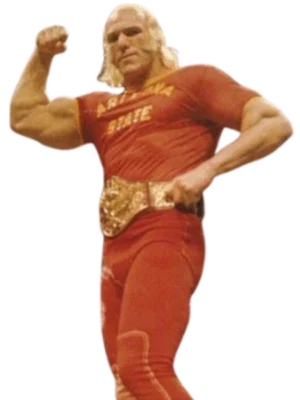
Later title changes, including Sammartino’s loss in 1971 and his second championship run in the mid-1970s, kept interest high and let new opponents cycle into the top spot. His rematch with Stan Hansen in a steel cage at Shea Stadium in 1976 highlighted the drawing power of decisive stipulations.

Booking Philosophy and Television

The WWWF kept its formula straightforward. A popular babyface champion defended against a steady line of dangerous challengers.

Television shows like Championship Wrestling and All-Star Wrestling introduced contenders, built heat with short, emphatic matches, and pointed viewers to the next arena date. Managers also played key roles. The Grand Wizard, Captain Lou Albano, and Freddie Blassie guided many of the top villains, cut strong interviews, and protected challengers after losses when needed.

TV tapings in Pennsylvania venues fed markets across the Northeast, which made it easy for new fans to jump in and for regulars to stay engaged from month to month.

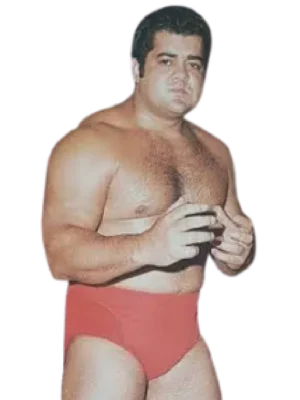
The roster reflected the formula. Pedro Morales carried the title and connected with diverse Northeast crowds. Superstar Billy Graham brought a flashier style, then Bob Backlund provided a more technical champion late in the decade.

Wrestlers like Gorilla Monsoon and André the Giant boosted special events, filled larger venues, and offered unique matchups that stood apart from regular television. Rotating specialty bouts, such as Texas Death matches or cage matches, helped resolve feuds at the arena level and gave the schedule natural peaks.

Rejoining the NWA

Even though the WWWF launched outside the National Wrestling Alliance, the company rejoined the NWA in 1971 while keeping its own world title. This was a move that allowed limited cooperation without having to change the promotion’s identity.

The WWWF continued to book its champions, shape its television, and protect its top draws, while still benefiting from occasional talent exchanges.

Monthly Madison Square Garden shows remained the backbone of the schedule, and special outdoor cards at Shea Stadium served as payoffs to longer rivalries. Closed-circuit presentations brought these matches to additional markets, which extended the territory’s reach before national pay-per-view existed.

Transition to the WWF (1979)

In March 1979, the company shortened its name to World Wrestling Federation (WWF). The simpler name matched a cleaner presentation on television and set the stage for broader syndication and early national expansion in the 1980s. The heavyweight title lineage continued under the new brand, which made it easier for fans to follow the championship across markets.

Legacy and Influence

The WWWF set the template for how major U.S. wrestling promotions operate. Its Garden tradition established the big-arena model. Its television strategy produced a reliable pipeline of challengers who looked strong on TV and then headlined decisive arena main events. Managers, specialty stipulations, and slow-build storytelling gave clear entry points for casual viewers.

The world title lineage carries through to today’s WWE, and the company’s approach to building stars, pacing television, and protecting championship matches still guides major promotions worldwide.

Years Active

1963 – 1979

Headquarters

New York City, New York

Primary Market

Northeastern United States

Training School(s)

N/A

Website

N/A

Owner(s)

Vincent J. McMahon 1965 – 1979
Vincent J. McMahon and Toots Mondt Founders 1963 – 1965

Name History

World Wide Wrestling Federation 1963 – 1979
Capitol Wrestling Corporation 1953 – 1963

Signature Events

No signature events found for this promotion.

Past Events

No events found for this promotion.

Other Wrestling Promotions

View All Promotions →

Share Your Thoughts on This Promotion