World Wrestling Federation

(WWF)
Inactive

About WWF

The World Wrestling Federation (WWF) was an American professional wrestling promotion that operated under that name from 1979 to 2002. Previously known as the World Wide Wrestling Federation (WWWF), the company grew from a regional wrestling promotion in the northeastern United States into an international organization under Vince McMahon.

During its WWF years, it introduced WrestleMania, expanded its television programming, and competed with WCW during the Monday Night Wars before changing its name to World Wrestling Entertainment (WWE) in May 2002.

The promotion adopted the WWF name in March 1979 while it was still operated by Vincent J. McMahon. His son, Vince McMahon, purchased the business in 1982 and began expanding outside its traditional northeastern territory. He signed wrestlers from competing promotions and secured television deals that brought WWF programming to audiences across the country.

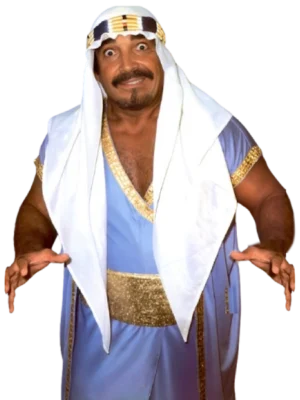
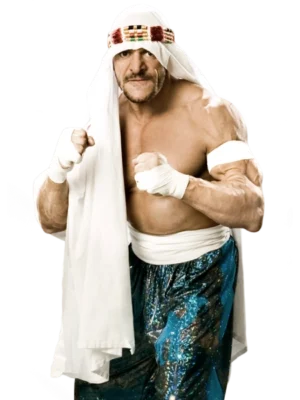
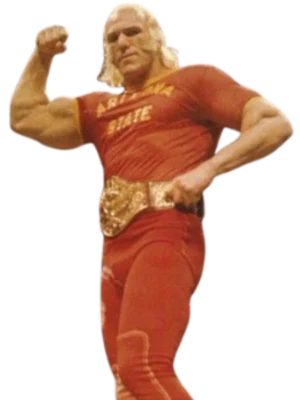
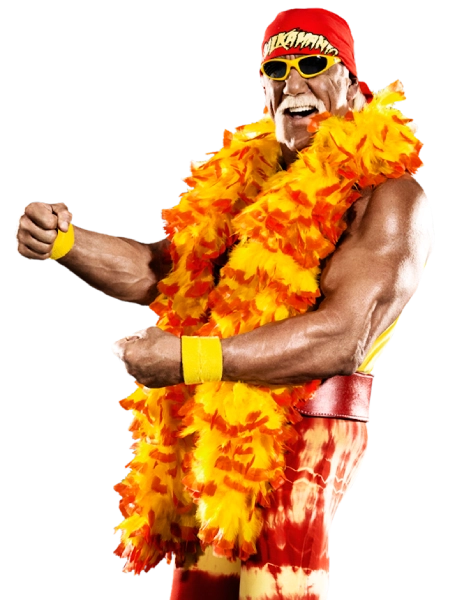
One of his biggest signings was Hulk Hogan, who returned to the WWF in December 1983 and defeated The Iron Sheik for the WWF World Heavyweight Championship at Madison Square Garden on January 23, 1984.

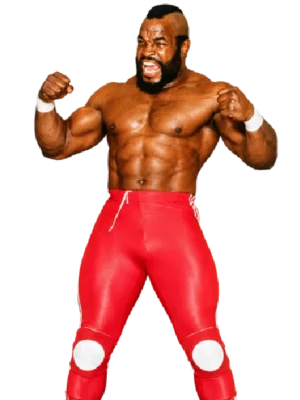
With Hogan as its leading star, the WWF continued expanding throughout the 1980s, a period that became known as the Golden Era. McMahon brought celebrities into wrestling through the Rock ‘n’ Wrestling Connection, which included appearances by Cyndi Lauper and Mr. T.

On March 31, 1985, the company held its first WrestleMania at Madison Square Garden, where Hogan teamed with Mr. T to defeat Roddy Piper and Paul Orndorff in the main event. WrestleMania became an annual event as the WWF continued expanding its television coverage and live event schedule.

The promotion’s popularity continued to grow as Hogan feuded with André the Giant, with their rivalry leading to a WWF World Heavyweight Championship match at WrestleMania III in 1987. Hogan defeated André in the main event, while Randy Savage lost the Intercontinental Championship to Ricky Steamboat earlier in the show.

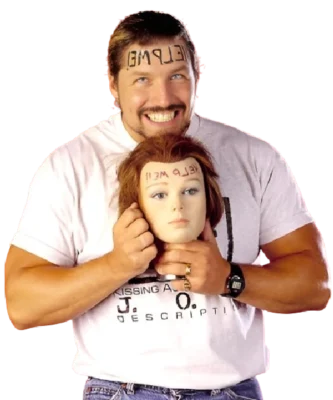
Savage went on to win the vacant WWF World Heavyweight Championship in a tournament at WrestleMania IV in 1988, defeating Ted DiBiase in the tournament final. He also formed The Mega Powers with Hogan, although their partnership eventually fell apart and led to Hogan defeating Savage for the championship at WrestleMania V in 1989.

During these years, the WWF added Survivor Series in 1987, followed by the Royal Rumble and SummerSlam in 1988, giving the company several major annual events alongside WrestleMania.

The early 1990s brought changes to the WWF roster as Hogan and several other stars from the previous decade gradually stepped away from the company.

The Ultimate Warrior defeated Hogan for the WWF World Heavyweight Championship at WrestleMania VI in 1990, while The Undertaker debuted later that year at Survivor Series. Wrestlers like Bret Hart, Shawn Michaels, Yokozuna, Diesel, and Razor Ramon became prominent names during what became known as the New Generation Era.

Hart won his first WWF World Heavyweight Championship from Ric Flair in October 1992, while Michaels moved into singles competition after splitting from The Rockers. Both became regular championship contenders, eventually meeting in a 60-minute Iron Man Match at WrestleMania XII in 1996.

Neither wrestler scored a fall during the original time limit, but Michaels won the championship in overtime. Their rivalry continued through 1997 as the WWF began moving away from the family-friendly characters and storylines that had dominated much of the previous decade.

The WWF was also changing how it presented wrestling on television. On January 11, 1993, it introduced Monday Night Raw, a weekly program that replaced the traditional studio format with matches and interviews filmed in front of live audiences.

The competition increased in September 1995 when World Championship Wrestling (WCW) launched Monday Nitro directly against Raw. The two companies competed for television ratings and signed wrestlers from each other’s rosters in what became known as the Monday Night Wars.

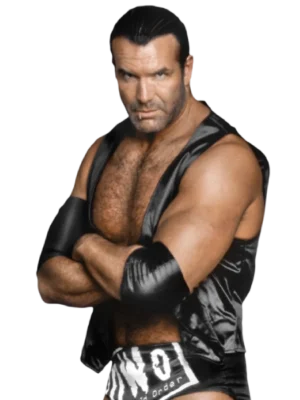
WCW gained an advantage during 1996 after Scott Hall and Kevin Nash left the WWF and joined the rival promotion, where they helped form the New World Order (nWo) with Hogan.

As the competition continued, the WWF began introducing new characters and giving greater attention to personal rivalries. Stone Cold Steve Austin gained popularity after winning the 1996 King of the Ring tournament, where his victory over Jake Roberts led to the introduction of his famous Austin 3:16 catchphrase.

Austin soon entered a rivalry with Bret Hart, which included a Submission Match at WrestleMania 13 in 1997. Austin refused to submit despite bleeding heavily and eventually passed out in Hart’s Sharpshooter, giving Hart the victory. The match also continued the change in how both wrestlers were presented, with Austin gaining support from fans while Hart became increasingly hostile toward American audiences.

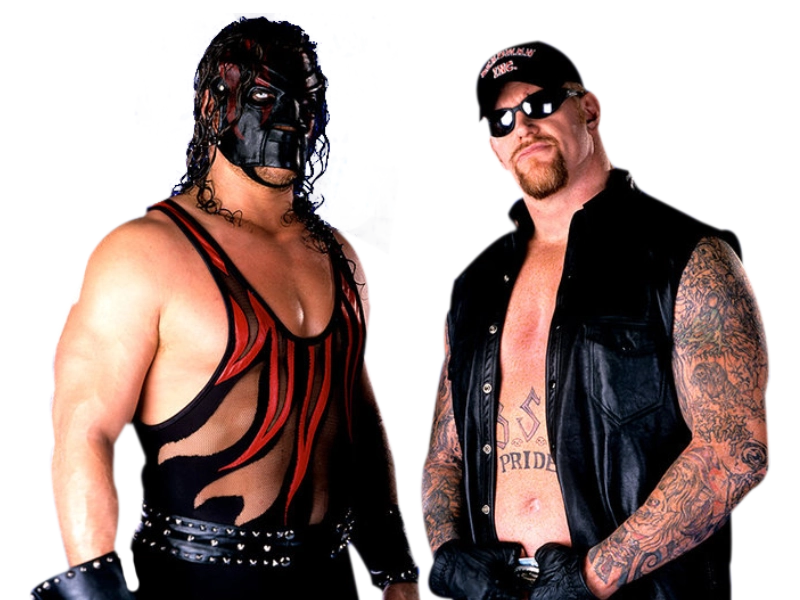
During 1997, the WWF introduced D-Generation X, led by Shawn Michaels and Triple H, while The Nation of Domination helped establish The Rock as a major personality. The Undertaker’s storyline with his brother Kane also began that year, with Kane making his debut at Badd Blood: In Your House by interfering in the first Hell in a Cell Match between The Undertaker and Michaels.

Another major incident followed at Survivor Series 1997, when Bret Hart lost the WWF World Heavyweight Championship to Michaels in the controversial Montreal Screwjob. The match ended after the referee called for the bell while Michaels had Hart in the Sharpshooter, even though Hart hadn’t submitted.

Following the Montreal incident, Vince McMahon became an increasingly prominent television character under the name Mr. McMahon. His ongoing conflict with Austin became one of the main storylines of the Attitude Era, a period when the WWF began featuring more adult storylines, stronger language, and more violent matches.

Austin defeated Michaels for the WWF Championship at WrestleMania XIV in March 1998, and his battles with McMahon continued throughout the year. Their rivalry included attempts by McMahon to remove Austin from the championship picture, along with interference from other wrestlers and repeated confrontations on Raw.

The Rock also moved into the main event scene after leaving the Nation of Domination and joining The Corporation, a faction led by McMahon. His rivalry with Austin became another major part of WWF programming, while Triple H, Mick Foley, and Kane remained prominent in the championship picture.

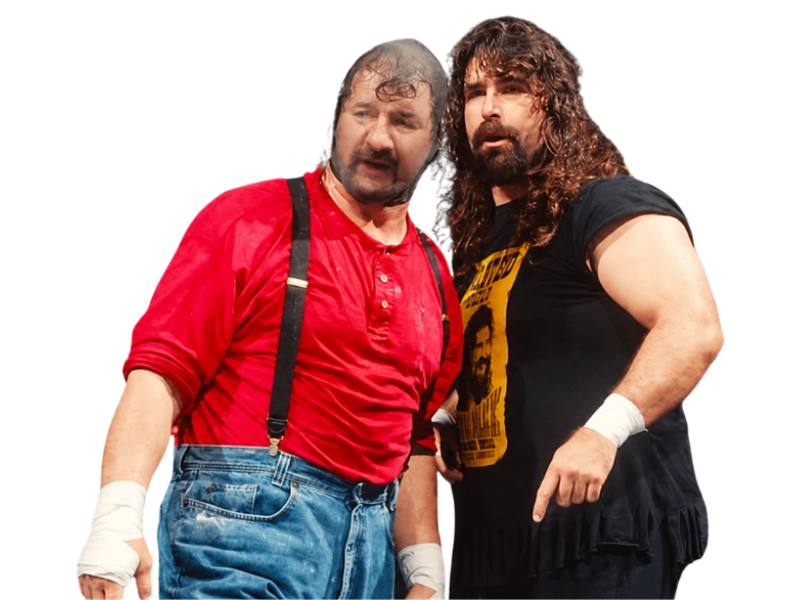
Foley appeared under several characters, including Mankind, Cactus Jack, and Dude Love. At King of the Ring 1998, Mankind’s rivalry with The Undertaker continued in a Hell in a Cell Match that included two falls from the top of the cell, with The Undertaker winning the match. Foley later won his first WWF Championship from The Rock on Raw in December 1998, adding another chapter to their rivalry.

The WWF continued expanding its television programming and roster during the late 1990s. In April 1999, Raw ended WCW Nitro’s long-running ratings advantage, and the company added SmackDown as a second weekly television program that August.

Wrestlers like Kurt Angle, Chris Jericho, and The Big Show joined the main event scene, while The Rock and Triple H continued competing for the WWF Championship. Their rivalry included several championship matches throughout 2000, including their WWF Championship match at Backlash, with Austin returning later that year after missing much of the season because of neck surgery.

Tag team wrestling also received considerable attention during this period, particularly through the rivalry involving The Hardy Boyz, The Dudley Boyz, and Edge and Christian. The three teams competed in ladder matches and Tables, Ladders, and Chairs Matches, including their Triangle Ladder Match at WrestleMania 2000 and TLC Match at WrestleMania X-Seven.

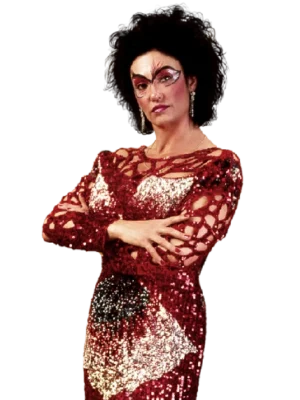
The women’s division also featured popular names like Sable, Chyna, Trish Stratus, and Lita. Chyna competed against male wrestlers and won the Intercontinental Championship, while Stratus and Lita became regular opponents in the Women’s Championship division.

By 2001, the WWF had regained its position as the leading American wrestling promotion. On March 23, the company announced its purchase of WCW’s brand and other assets from Turner Broadcasting, ending the Monday Night Wars after more than five years.

The following month, Austin defeated The Rock for the WWF Championship at WrestleMania X-Seven with help from Vince McMahon, beginning a new alliance between the longtime rivals. The WWF then introduced the Invasion storyline, which featured former WCW wrestlers joining forces with performers from Extreme Championship Wrestling (ECW) against the WWF roster.

The storyline continued until Survivor Series in November 2001, when Team WWF defeated The Alliance in a winner-take-all elimination match.

The company also made changes to its championships following WCW’s closure. At Vengeance in December 2001, Chris Jericho defeated The Rock for the World Championship and Austin for the WWF Championship on the same night, becoming the first Undisputed WWF Champion.

The expanded roster brought several former WCW and ECW wrestlers into the company, including Booker T, Rob Van Dam, and others who remained with the WWF after the Invasion storyline ended.

In March 2002, the company introduced its first brand extension, dividing the roster between Raw and SmackDown through a draft. Around this time, Brock Lesnar also made his television debut, becoming one of the last major new stars introduced under the WWF name.

On May 6, 2002, the WWF officially changed its name to World Wrestling Entertainment (WWE) following a legal dispute with the World Wide Fund for Nature over the use of the WWF initials. The company introduced a new logo and continued operating under the WWE name, while its television programs, championships, annual events, and roster carried over into the new era.

Years Active

1979 – 2002

Headquarters

Stamford, Connecticut

Primary Market

National / International

Owner(s)

Vince McMahon 1982 – 2002
Vincent J. McMahon Founder 1979 – 1982

Name History

World Wrestling Federation 1979 – 2002
World Wide Wrestling Federation 1963 – 1979
Capitol Wrestling Corporation 1953 – 1963

Training School(s)

Heartland Wrestling Association (HWA) 2001-2003
Ohio Valley Wrestling (OVW) 2000-2008
Memphis Championship Wrestling (MCW) 2000-2001
International Wrestling Association (IWA Puerto Rico) 1999-2001
Power Pro Wrestling (PPW) 1998-2001

Former WWF Wrestlers
Showing 403 of 403 wrestlers
Factions & Stables

View All Factions →
Undisputed WWF Championship Retired

Undisputed WWF Championship

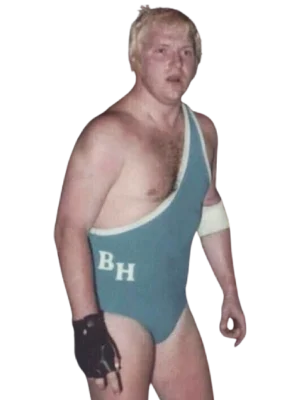
Hollywood Hulk Hogan
Last Held By Hollywood Hulk Hogan
Years Active 2001 – 2002
Total Reigns 3
WCW Championship Retired

WCW Championship

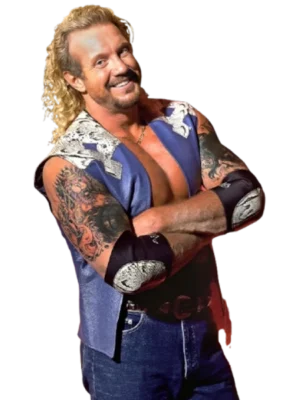
The Rock
Last Held By The Rock
Years Active 2001
Total Reigns 5
WCW Tag Team Championship Retired

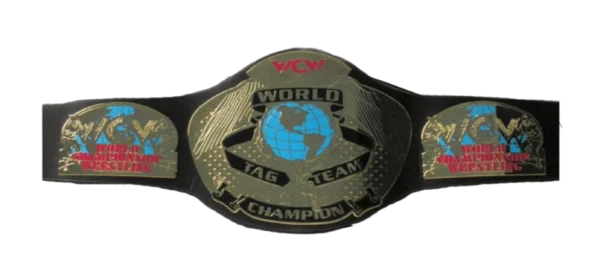
WCW Tag Team Championship

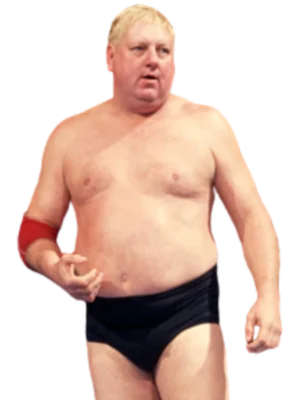
The Dudley Boyz
Last Held By The Dudley Boyz
Years Active 1975 – 2001
Total Reigns 8
WCW United States Championship Retired

WCW United States Championship

Edge
Last Held By Edge
Years Active 2001
Total Reigns 5
World Championship Retired

World Championship

Chris Jericho
Last Held By Chris Jericho
Years Active 2001
Total Reigns 62
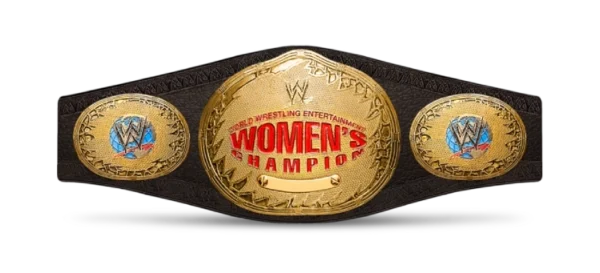
WWE Women’s Championship (1956 to 2010) Retired

WWE Women’s Championship (1956 to 2010)

Layla
Last Held By Layla
Years Active 1956 – 2010
Total Reigns 58
WWF Championship Retired

WWF Championship

Stone Cold Steve Austin
Last Held By Stone Cold Steve Austin
Years Active 1989 – 2001
Total Reigns 49
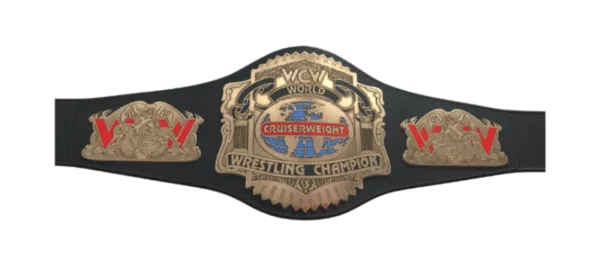
WWF Cruiserweight Championship Retired

WWF Cruiserweight Championship
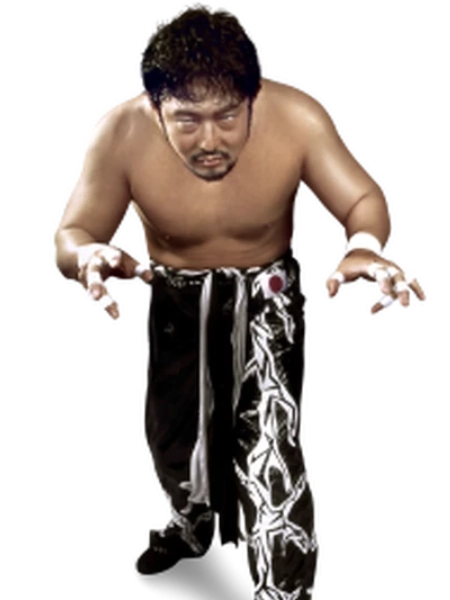
Tajiri
Last Held By Tajiri
Years Active 2001 – 2002
Total Reigns 2
WWF European Championship Retired

WWF European Championship

Spike Dudley
Last Held By Spike Dudley
Years Active 1997 – 2002
Total Reigns 34
WWF Hardcore Championship Retired

WWF Hardcore Championship

Steven Richards
Last Held By Steven Richards
Years Active 1998 – 2002
Total Reigns 137
WWF Heavyweight Championship Retired

WWF Heavyweight Championship

Years Active 1979 – 1983
WWF Intercontinental Championship Retired

WWF Intercontinental Championship

Eddie Guerrero
Last Held By Eddie Guerrero
Years Active 1988 – 2002
Total Reigns 74
WWF Intercontinental Heavyweight Championship Retired
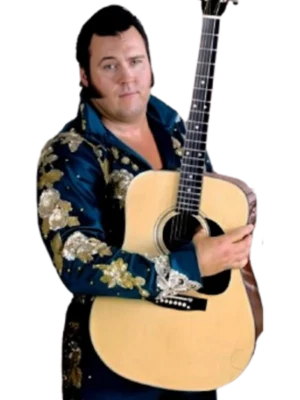
WWF Intercontinental Heavyweight Championship

The Honky Tonk Man
Last Held By The Honky Tonk Man
Years Active 1979 – 1988
Total Reigns 12
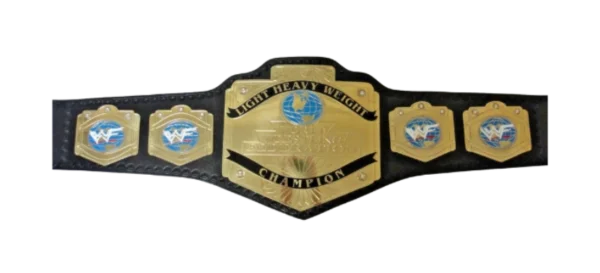
WWF Light Heavyweight Championship Retired

WWF Light Heavyweight Championship

X-Pac
Last Held By X-Pac
Years Active 1997 – 2001
Total Reigns 13
WWF Tag Team Championship Retired

WWF Tag Team Championship

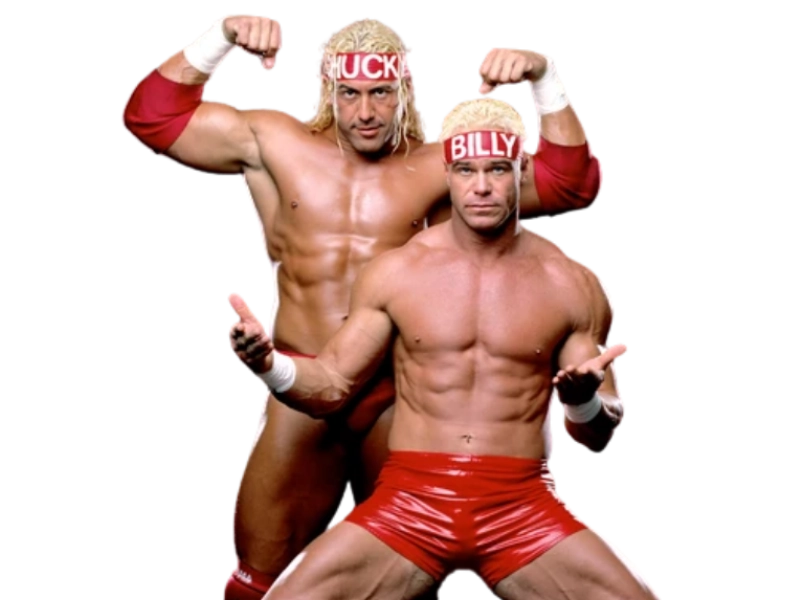
Billy and Chuck
Last Held By Billy and Chuck
Years Active 1983 – 2002
Total Reigns 97
WWF Women’s Championship Retired

WWF Women’s Championship

Jazz
Last Held By Jazz
Years Active 1984 – 2002
Total Reigns 28
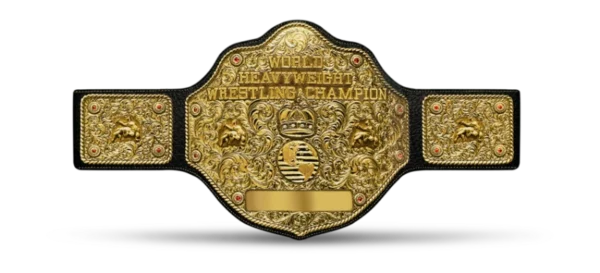
WWF World Heavyweight Championship Retired

WWF World Heavyweight Championship

Hulk Hogan
Last Held By Hulk Hogan
Years Active 1983 – 1989
Total Reigns 5
WWF World Tag Team Championship Retired

WWF World Tag Team Championship

Last Held By Soul Patrol
Years Active 1979 – 1983
Total Reigns 13

Signature Events

WrestleMania

WrestleMania

22 Events1985 – Present
Latest Event WWE WrestleMania 42 April 18-19, 2026 Paradise, Nevada
Survivor Series

Survivor Series

5 Events1992 – 2026
Next Event WWE Survivor Series: WarGames 2026 November 28, 2026 Houston, Texas
In Your House

In Your House

4 Events1996 – 1999
Last Event Held WWF In Your House: St. Valentine's Day Massacre February 14, 1999 Memphis, Tennessee
Saturday Night's Main Event

Saturday Night's Main Event

4 Events2025 – 2026
Latest Event WWE Saturday Night's Main Event XLV July 18, 2026 New York City, New York
Backlash

Backlash

3 Events2000 – 2026
Latest Event WWE Backlash 2026 May 9, 2026 Tampa, Florida
The Main Event

The Main Event

3 Events1988 – 1990
Last Event Held WWF The Main Event III February 23, 1990 Detroit, Michigan
King of the Ring

King of the Ring

2 Events1996 – 1998
Last Event Held WWF King of the Ring 1998 June 28, 1998 Pittsburgh, Pennsylvania
Royal Rumble

Royal Rumble

2 Events1998 – 2026
Latest Event WWE Royal Rumble 2026 January 31, 2026 Riyadh, Saudi Arabia
SummerSlam

SummerSlam

2 Events1989 – 2026
Latest Event WWE SummerSlam 2026 August 1-2, 2026 Minneapolis, Minnesota
Bad Blood

Bad Blood

1 Event1997 – 2024
Last Event Held WWF Badd Blood: In Your House October 5, 1997 St. Louis, Missouri
Insurrextion

Insurrextion

1 Event2000 – 2003
Last Event Held WWF Insurrextion 2000 May 6, 2000 London, England
No Holds Barred

No Holds Barred

1 Event1989
Last Event Held WWF No Holds Barred: The Match/The Movie December 12, 1989 Nashville, Tennessee
Unforgiven

Unforgiven

1 Event1998 – 2008
Last Event Held WWF Unforgiven: In Your House April 26, 1998 Greensboro, North Carolina
Armageddon

Armageddon

0 Events
No events logged yet
Fully Loaded

Fully Loaded

0 Events
No events logged yet
Judgment Day

Judgment Day

0 Events
No events logged yet
No Mercy

No Mercy

0 Events
No events logged yet
Raw

Raw

0 Events
No events logged yet
Raw is War

Raw is War

0 Events
No events logged yet
Rebellion

Rebellion

0 Events
No events logged yet
SmackDown!

SmackDown!

0 Events
No events logged yet

Other Wrestling Promotions

View All Promotions →

Share Your Thoughts on This Promotion