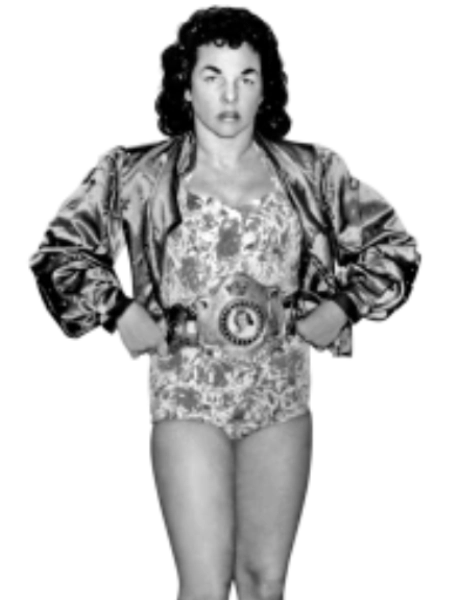
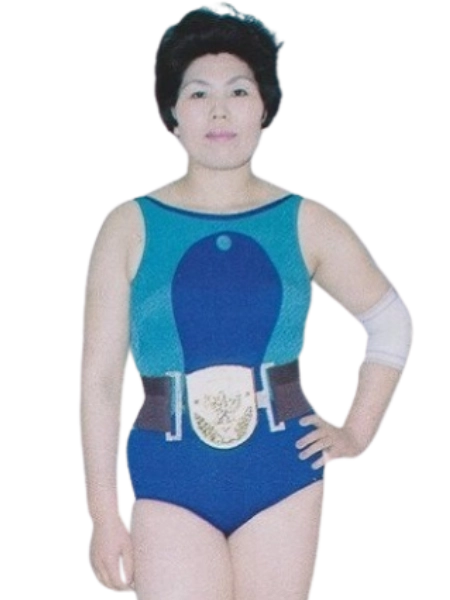
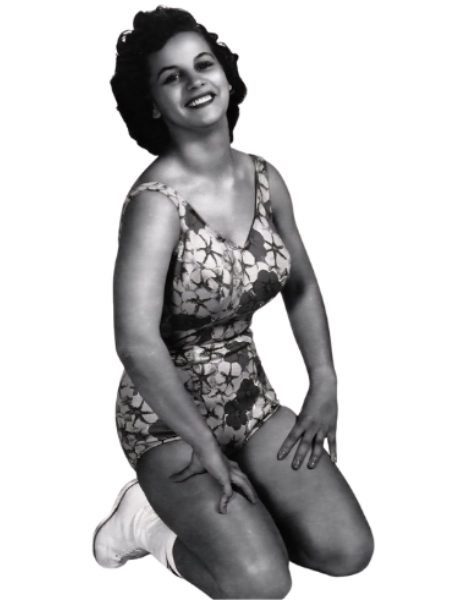
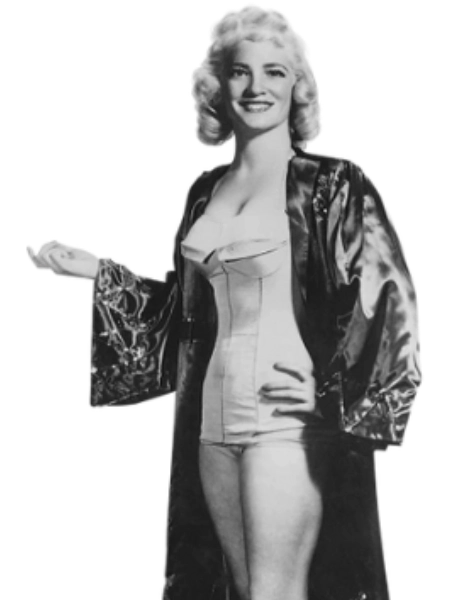
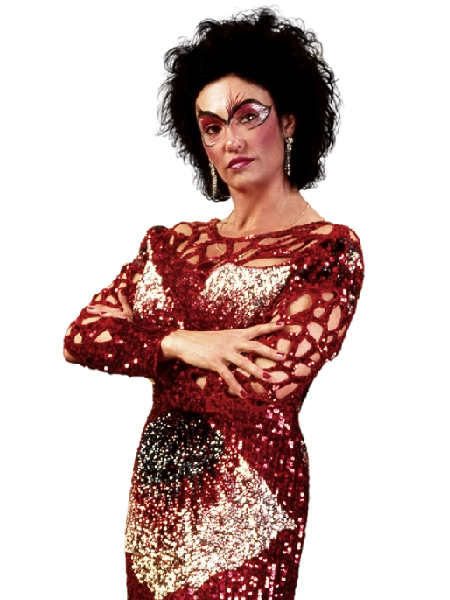
The Fabulous Moolah was one of the most famous and influential figures in the history of women’s professional wrestling and also one of its most controversial. For decades, she was promoted as the dominant women’s world champion in the United States, first under the National Wrestling Alliance (NWA) and later in the World Wrestling Federation (WWF).
Long after her death, her legacy is still debated, with some seeing her as a pioneer for women in the ring and others focusing on serious accusations about how she treated the wrestlers who worked under her.
She was born Mary Lillian Ellison on July 22, 1923, in a rural community known as Tookiedo in Kershaw County, South Carolina. She was the youngest child and the only daughter in a family with twelve boys. After her mother died when Ellison was eight, she spent her childhood on a farm, roughhousing with her brothers and working in the fields. She grew up tough and independent and became interested in wrestling after seeing women’s matches on local cards.
In the late 1940s, she began training for a career in the ring. Ellison worked with Mildred Burke and her husband, Billy Wolfe, who controlled much of the women’s wrestling scene in the United States at the time.
She took the ring name Slave Girl Moolah early in her career while working as a valet and wrestler on cards promoted by Jack Pfefer and others. During these years, she toured different territories and developed the ring style and character that later made her famous.
Her main run as a world champion began on September 18, 1956, when she won a battle royal in Baltimore to claim a version of the World Women’s Championship. Over time, that belt became widely recognized as the NWA World Women’s Championship, and Ellison received the new ring name The Fabulous Moolah.
Through the late 1950s and 1960s, she was considered the top women’s wrestler in the NWA system. Moolah defended the title across many territories and held it for long stretches, often dropping it briefly and then regaining it. Estimates place her combined time as a recognized world champion at around 28 years, one of the longest total reigns in wrestling history.
Moolah’s influence extended beyond the ring. She bought the legal rights to the women’s world title and ran a wrestling school and training camp from her property near Columbia, South Carolina.
Many women who worked in North American wrestling from the 1960s into the early 1980s came through her camp before being sent out to promotions under deals she controlled. She also played a role in pushing for women’s wrestling to be allowed in new markets.
In 1972, she wrestled at Madison Square Garden after the ban on women’s matches in New York was lifted, which helped open up major arenas to female wrestlers.
In the early 1980s, Moolah moved closer to what became the modern WWF system. As Vince McMahon expanded the World Wrestling Federation (WWF), he wanted a women’s division tied directly to his brand.
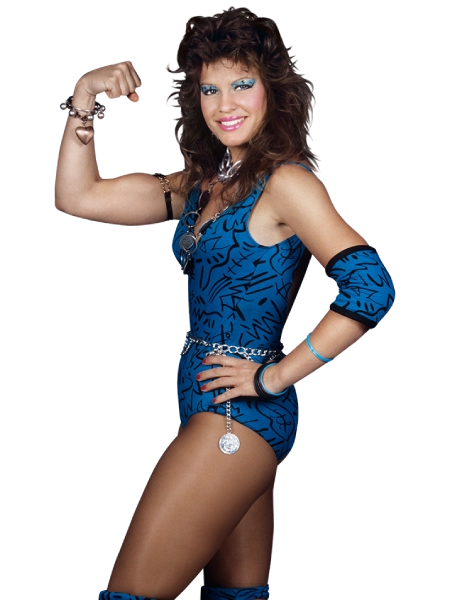
In 1984, Moolah sold the rights to the women’s world title and her own recognition as champion to the WWF. The company began promoting her as the WWF Women’s Champion and treated the belt as its property rather than an NWA title. That year, she lost the championship on a major MTV special when Wendi Richter defeated her, a key moment in the Rock n Wrestling connection that helped push the WWF into mainstream entertainment.
Moolah continued to wrestle and appear for the WWF through the 1980s, then moved into semi-retirement. She returned to television often from the late 1990s onward, usually in lighthearted or comedic segments with her close friend Mae Young.
In 1999, she briefly won the WWF Women’s Championship from Ivory at the No Mercy event and, at age 76, became one of the oldest titleholders in company history. WWE inducted her into its Hall of Fame in 1995 as the first woman in that group, and she was later added to both the NWA Hall of Fame and the Professional Wrestling Hall of Fame.
She died on November 2, 2007, in Columbia, South Carolina, after complications from surgery. At that time, many tributes focused on her long reigns, her visibility on national television, and the number of women who had passed through her school on their way into the business.
In the years after her death, however, her reputation came under heavy scrutiny. Several former students and wrestlers accused Moolah of taking a large share of their pay, controlling their bookings in ways that limited their independence, and, in some accounts, sending women into situations where they were sexually exploited. Articles, interviews, and a television documentary about the more troubling side of her career led to a public reexamination of her role.
When WWE announced a women’s battle royal at WrestleMania in 2018 named after Moolah, fan backlash over these allegations was strong enough that the company quickly removed her name from the match.
Some wrestlers who worked with her have defended her or disputed parts of the accusations, while others have supported the critical view, so her legacy now includes a significant element of debate.
In the ring, The Fabulous Moolah wrestled a rough, straightforward style built on simple but effective offense. She relied on punches, forearms, kicks, hair-pull snapmares, side headlocks, and basic clotheslines, mixed with body slams and backbreakers. Her main finishing tactic was usually a quick schoolgirl roll-up, often grabbing the legs tightly after wearing an opponent down, and in some matches she ended bouts with a backbreaker to set up the pin.
Much of her impact came from how often she appeared as champion, how carefully she protected that position, and how closely she tied the women’s world title to her own name. Because of that, promoters, fans, and media treated her as the default symbol of women’s wrestling in the United States for many years.
Today, people looking back on her career usually weigh two parts of her story at once. On the one hand, she helped keep women’s wrestling visible during periods when it might have been pushed off major cards entirely.
On the other side, serious allegations about her business practices and treatment of wrestlers have changed how many view her use of that power. Together, those pieces make her one of the most complicated and debated figures in wrestling history.






Share Your Thoughts on This Wrestler
You must be logged in to post a comment.